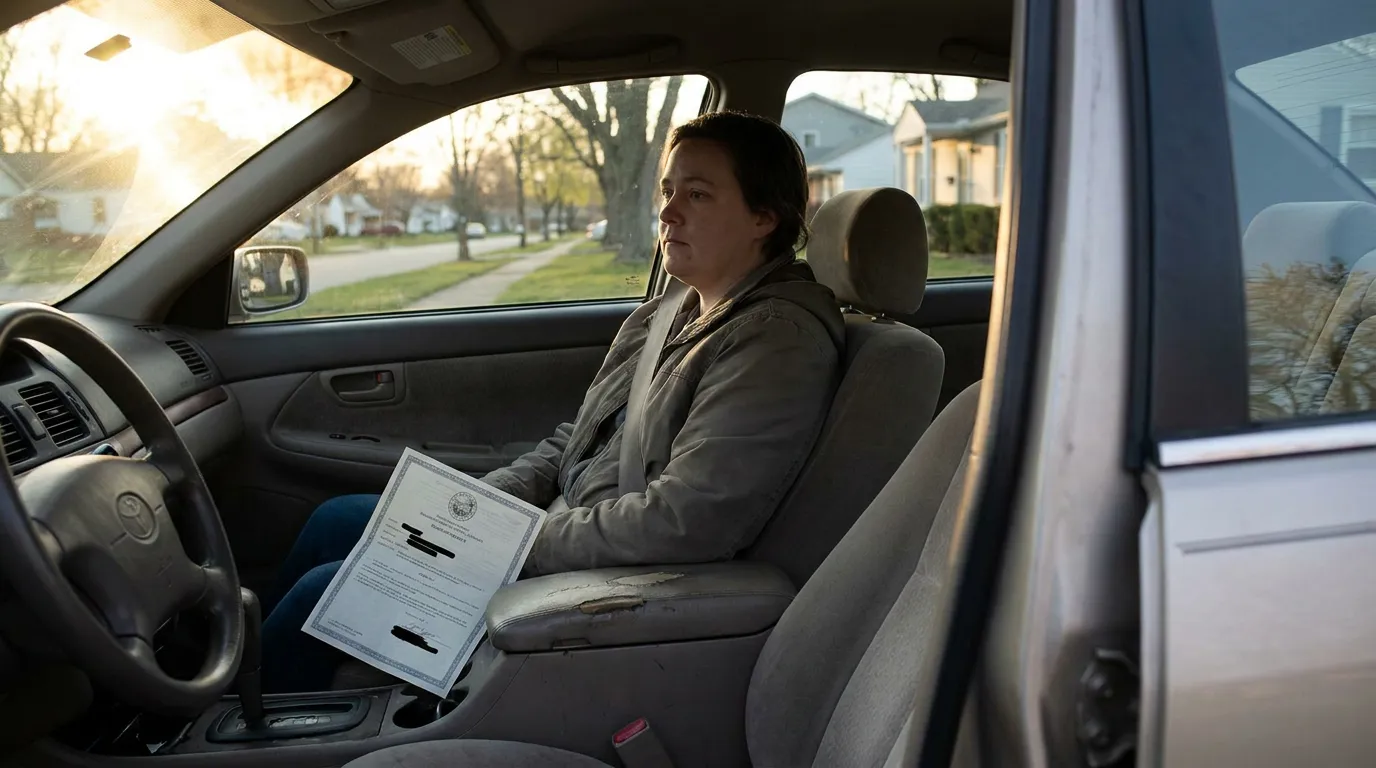
Why Delayed or Missed Medical Care Can Shrink Your Crash Recovery Key Takeaways: A gap in medical treatment after an Indianapolis car accident can lower the value of your injury claim, because insurers use delays and missed appointments to argue that your injuries were minor or caused by something else. Under Ind. Code § 34-6-2-45(b),… Read more »
Car Accidents
What Is Indiana’s Front Seat Law for Child Passengers?
Where Indiana Law Actually Stands on Kids Riding Up Front Key Takeaways: Indiana requires children 12 and under to sit in the back seat when one is available; Indiana Code § 9-19-11-2 requires children under eight to be properly secured in a child restraint system wherever they sit. Children at least eight but under sixteen… Read more »
What Is an Independent Medical Exam in an Indianapolis Car Accident Claim?
Understanding the Insurance Company’s Medical Exam Request After an Indianapolis Crash Key Takeaways: An independent medical exam (IME) in an Indianapolis car accident claim is an evaluative exam performed by a physician chosen and paid by the insurer or defense, not a neutral second opinion or treatment. Insurers typically request one when they question whether… Read more »
What Is the Indiana Guest Statute 34-30-11-1 for Injured Passengers?
Riding as a Passenger in Indiana: When a Family Driver’s Immunity Applies Key Takeaways: Indiana Code § 34-30-11-1, the Indiana Guest Statute, may bar ordinary negligence recovery against a vehicle’s owner or operator for non-paying passengers who are the driver’s parent, spouse, child, stepchild, brother, sister, or a hitchhiker. Friends, coworkers, cousins, in-laws, and paying… Read more »
What Does Indiana Code 9-19-10-7 Say About Seat Belt Evidence?
Why Indiana’s Seat Belt Rule Still Matters for Injured Crash Victims Key Takeaways: Indiana Code § 9-19-10-7 was rewritten by P.L.49-2024 (House Bill 1090). For causes of action accruing after June 30, 2024, subsection (c) allows seat belt nonuse evidence to mitigate damages for plaintiffs at least 15 years old, with defendants bearing the burden… Read more »
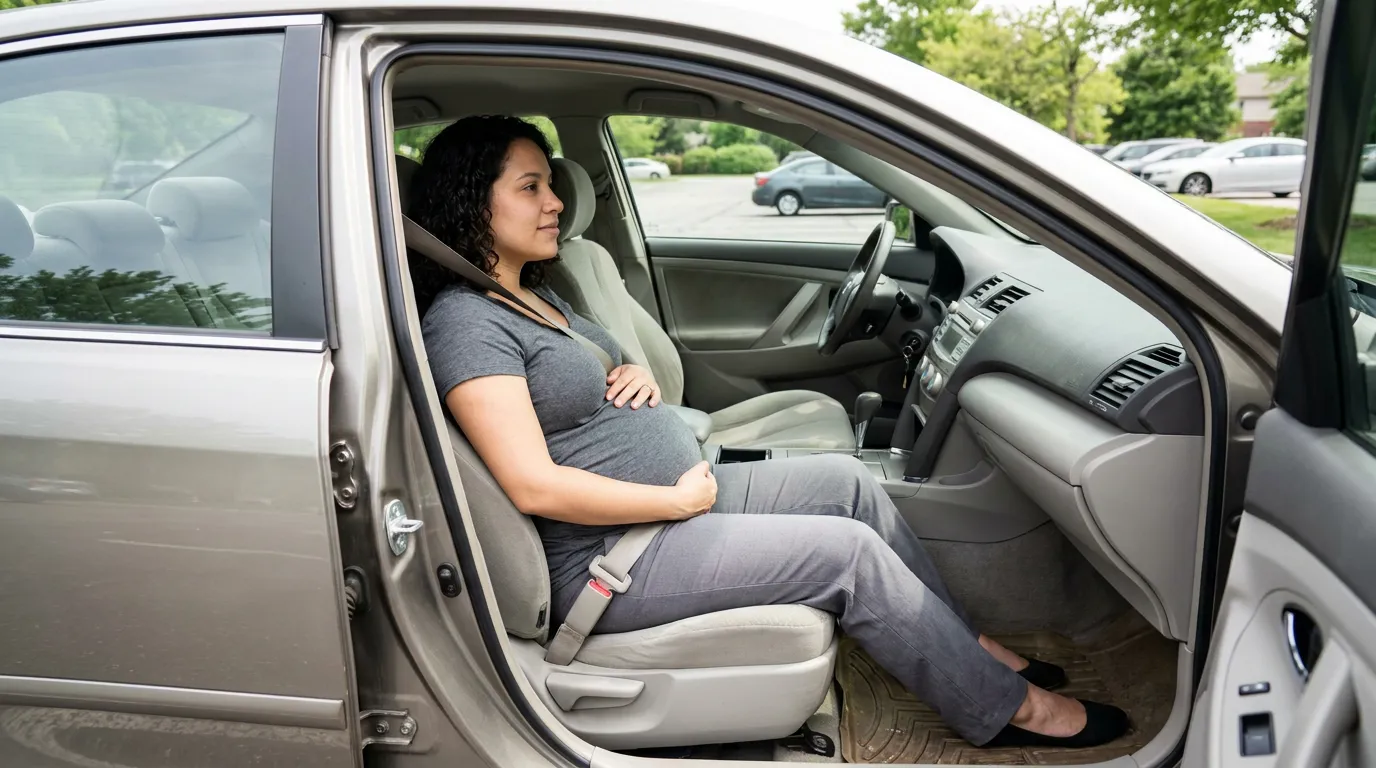
What Injuries Can Pregnant Women Suffer in an Indianapolis Rear-End Crash?
How a Rear-End Crash Can Affect Pregnant Women Key Takeaways: A rear-end crash during pregnancy can cause serious harm including placental abruption, preterm labor, miscarriage, whiplash, spinal injuries, abdominal trauma, and internal bleeding. The most dangerous complications often produce no immediate symptoms and may develop hours or days later, making prompt medical evaluation essential. National… Read more »
What Is a Broken Arm Compensation Calculator for Indianapolis Crash Victims?
What a Broken Arm Could Mean For Your Indianapolis Crash Key Takeaways: A broken arm compensation calculator is an online tool that helps Indianapolis crash victims estimate claim value by combining medical expenses, lost income, and a pain-and-suffering multiplier. While useful as a starting point, it cannot account for Indiana’s modified comparative fault rule, which… Read more »
Can a Rear-End Crash Cause Placental Abruption in Indiana?
How a Rear-End Collision Can Threaten a Pregnancy in Indiana Key Takeaways: Yes, a rear-end crash can cause placental abruption, as medical and legal authorities recognize abdominal trauma from an auto accident as a possible cause of the placenta separating from the uterine wall. Even low-speed collisions can generate sufficient force to trigger this obstetric… Read more »
What Is the Multiplier Method for Broken Arm Settlements?
Breaking Down the Formula Insurers Use to Value Arm Injuries Key Takeaways: The multiplier method estimates pain and suffering by multiplying total medical expenses by a factor of 1.5 to 5, based on injury severity, a $50,000 bill with a 3x multiplier yields $150,000 in non-economic damages. It’s a negotiation tool, not a legal requirement…. Read more »
New Indiana Driving Age Law Takes Effect July 1, 2026: Crash Risks
Indiana’s July 1 Driving Age Change Raises New Questions About Teen Crashes and stroke after car accident Claims Key Takeaways: Indiana’s July 1, 2026 law lets teens who complete driver’s education get a probationary license at age 16 instead of 16 years and 90 days, though graduated licensing restrictions remain. Night driving limits, passenger rules,… Read more »