
Can a Rear-End Crash Cause Placental Abruption in Indiana?
How a Rear-End Collision Can Threaten a Pregnancy in Indiana
Key Takeaways: Yes, a rear-end crash can cause placental abruption, as medical and legal authorities recognize abdominal trauma from an auto accident as a possible cause of the placenta separating from the uterine wall. Even low-speed collisions can generate sufficient force to trigger this obstetric emergency, making prompt medical evaluation and documentation essential. Because pregnancy complications have multiple causes, proving the collision caused the abruption is often the central challenge, and insurers frequently argue the impact was too minor. Strong medical records, symptom documentation, and professional testimony help establish causation under Indiana’s negligence framework. Indiana allows two years to file a personal injury claim, while a child’s claim is generally tolled until age 18, then must be filed within two years (around age 20). Acting quickly to seek care, preserve evidence, and consult counsel protects your health and legal rights.
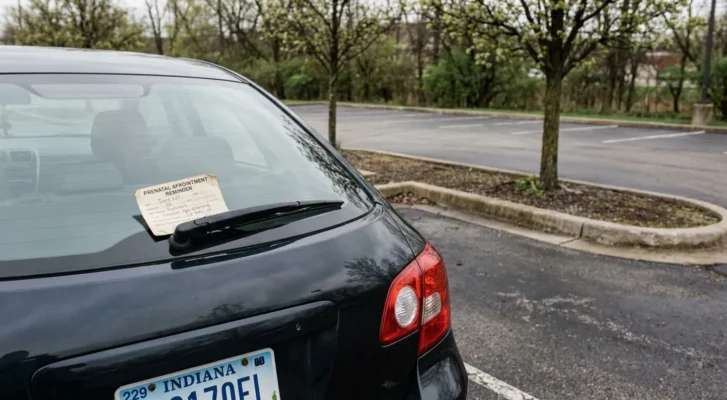
A rear-end crash can absolutely cause placental abruption, and both medical and legal communities recognize abdominal trauma as a serious risk to an expecting mother and baby. When a vehicle is struck from behind, the sudden jolt transmits force through the abdomen, potentially disrupting the connection between the placenta and uterine wall. If you were rear ended while pregnant in Indianapolis, understanding the medical risks and legal options is essential for protecting your health and family’s future.
If you are recovering from a crash and worried about your pregnancy, the team at Poynter & Bucheri is ready to help. Call us at (317) 406-7443 or reach out through our secure online contact form to discuss your situation.

What Placental Abruption Is and Why It Demands Urgent Attention
Placental abruption is a serious obstetric emergency endangering both mother and child. According to the Mayo Clinic, this condition involves the placenta separating from the uterine wall partly or completely before delivery, blocking oxygen and nutrients to the baby and causing heavy bleeding. Even partial separation can become life-threatening quickly.
Warning signs often appear suddenly and require immediate attention. Common symptoms include vaginal bleeding, abdominal pain, back pain, and uterine tenderness, most commonly occurring in the last trimester. After any collision, prompt medical evaluation is essential because symptoms may be delayed or mistaken for normal pregnancy discomfort.
Recognized symptoms requiring immediate care include:
- Vaginal bleeding or spotting
- Sudden or persistent abdominal pain
- Back pain that does not subside
- Uterine tenderness or rigidity
- Decreased fetal movement
💡 Pro Tip: Even after a minor fender-bender, request emergency department documentation of a fetal assessment. A baseline record created the same day becomes powerful evidence if complications surface later.
The Connection Between Abdominal Trauma and Pregnancy Complications
Medical authorities confirm auto accidents as a documented cause of placental abruption. The Mayo Clinic lists trauma or injury to the abdomen, such as from an auto accident, among possible causes of this condition. This guidance identifies falls or abdominal blows as recognized risk factors, reinforcing how crash impact forces can trigger abruption.
Forces in a rear-end collision can be deceptively powerful. Even at lower speeds, abrupt forward-and-back motion stresses the abdomen and seatbelt, potentially shearing the placenta from the uterine wall. The medical community treats any abdominal trauma during pregnancy as requiring immediate evaluation rather than a wait-and-see approach.
Prevention guidance underscores the seriousness of crash-related abdominal injuries. The Mayo Clinic advises always wearing a seatbelt and seeking immediate medical help after abdominal trauma from an auto accident, fall, or other injury. Following this guidance protects your health and creates a clear timeline linking the crash to any complications.
Proving Causation After You Are Rear Ended While Pregnant
Establishing that the crash caused the abruption is generally the central challenge. Under Indiana’s negligence framework, an injured plaintiff must show duty, breach, causation, and damages. Causation is frequently where insurers focus disputes. Because pregnancy complications have multiple potential causes, connecting abruption directly to the collision requires careful medical documentation and often supporting testimony.
Why Insurers Often Argue the Impact Was Too Minor
Defendants commonly contend that low-speed crashes could not cause the claimed harm. The Indiana Supreme Court addressed this in Person v. Shipley (2012), where the plaintiff challenged testimony that minimal impact could not cause the injury. The court evaluated admissibility under Indiana Rule of Evidence 702 and affirmed the testimony was properly admitted.
This decision illustrates a recurring litigation reality. Defendants may challenge whether rear-end collision force was sufficient to cause specific injury, applying directly to placental abruption claims. Anticipating this defense and building thorough medical records early helps counter attempts to minimize your experience.
The Role of Strong Medical Documentation
Detailed medical records form the foundation of successful pregnancy injury claims. Treating physicians’ notes, fetal monitoring records, imaging, and timely follow-up visits demonstrate the relationship between crash and abruption. Retaining qualified medical or accident reconstruction professionals can explain how collision forces led to separation.
💡 Pro Tip: Keep a written symptom journal from the day of the crash. Noting date, time, and nature of each symptom creates a contemporaneous record difficult for insurers to dispute.
Indiana Deadlines That Apply to a Pregnancy Injury Claim
Indiana law sets firm time limits for filing crash-related injury lawsuits, and missing them bars recovery. The state’s general personal injury deadline under Indiana Code § 34-11-2-4 sets a two-year period to file suit, applying to rear-end crashes causing placental abruption. These deadlines are part of Indiana’s civil remedies statutes at Indiana General Assembly’s Title 34.
Deadlines vary depending on who brings the claim. A parent’s injury claim generally follows the two-year rule. A child’s claim is generally tolled under Indiana Code § 34-11-6-1 until the child turns 18, then typically has two years (until about age 20) to file.
| Type of Claim | General Filing Deadline |
|---|---|
| Personal injury (parent) | 2 years from the crash |
| Wrongful death | 2 years after the death |
| Injury claim brought by the child | Generally tolled until age 18; about 2 years after (around age 20) |
A limited discovery rule may apply in narrow circumstances. Indiana’s discovery rule can allow claims within two years after the injury is or should have been discovered. If discovery occurs before the standard period expires, suit must generally be filed within the remaining limitations period. Courts interpret these exceptions narrowly, so do not assume tolling will automatically extend your deadline. These deadlines are distinct from administrative claim processes, such as shortened notice deadlines under the Indiana Tort Claims Act when government entities are involved.
💡 Pro Tip: Treat the earliest possible deadline as your true deadline. Acting well before the two-year mark preserves evidence, witness memories, and negotiation strength.
Damages and Practical Steps to Protect Your Family’s Claim
Pregnancy injury claims may seek compensation for the full range of crash-caused harms. The Mayo Clinic notes complications can include premature birth and stillbirth for the baby, and shock from blood loss or organ failure for the mother. Recoverable damages can include medical expenses, lost wages, future care costs, and noneconomic harm such as pain and emotional distress.
Indiana’s comparative fault system affects recovery amounts. Under Indiana Code § 34-51-2, fault is apportioned among parties, and a plaintiff’s recovery is reduced proportionally and barred entirely if their share exceeds 50 percent. This applies to car accident claims involving pregnant victims. Our overview as an experienced Indiana auto accident attorney team explains how these claims proceed.
Protecting your claim starts with immediate post-crash choices. Seek immediate medical care, follow all treatment recommendations, photograph the scene and vehicle when possible, and keep every bill and record. For deeper insight into medical concerns, read our discussion of risks of being rear ended while pregnant.
💡 Pro Tip: Avoid giving recorded statements to the at-fault driver’s insurer before speaking with counsel. Innocent comments about feeling "fine" can dispute pregnancy complication seriousness later.
Frequently Asked Questions
-
Can a low-speed rear-end crash really cause placental abruption?
Yes. Medical guidance recognizes abdominal trauma from auto accidents as a possible cause of abruption, and even lower-speed impacts can generate sufficient force to separate the placenta. Prompt medical evaluation after any crash is strongly advised.
-
How long do I have to file a claim in Indiana?
Indiana Code § 34-11-2-4 provides a two-year deadline for personal injury claims. A child’s claim is generally tolled until age 18, then must usually be filed within two years (around age 20). Wrongful death claims must generally be filed within two years of death.
-
What if I felt fine at the scene but developed symptoms later?
Delayed symptoms are common with abruption. A limited discovery rule may apply in narrow situations, but courts construe it strictly, so seek medical care and legal guidance quickly.
-
Will the insurance company argue the crash was too minor?
Often, yes. Indiana case law shows defendants may argue minimal impact could not cause claimed harm. Thorough medical records and professional testimony can counter this defense.
-
What damages might be available in a pregnancy injury claim?
Compensation may cover medical bills, lost income, future care, and pain and suffering. Indiana’s comparative fault statute, Indiana Code § 34-51-2, can affect final recovery.
Protecting Your Health and Your Legal Rights After a Crash
A rear-end collision during pregnancy is frightening, and the possibility of placental abruption makes immediate medical care and careful legal planning essential. Indiana law recognizes the harm these crashes cause, provides deadlines for seeking compensation, and offers a path to hold at-fault drivers accountable. Because every situation depends on its own facts, claim strength relies on prompt action, thorough documentation, and understanding applicable statutes.
If you or a loved one experienced pregnancy complications after a crash, the dedicated team at Poynter & Bucheri is here to guide you forward. Call (317) 406-7443 today or complete our online case review request to take the first step toward protecting your family and future.