

How a Gap in Medical Treatment Can Affect Your Indianapolis Injury Claim
Why Delayed or Missed Medical Care Can Shrink Your Crash Recovery
Key Takeaways: A gap in medical treatment after an Indianapolis car accident can lower the value of your injury claim, because insurers use delays and missed appointments to argue that your injuries were minor or caused by something else. Under Ind. Code § 34-6-2-45(b), the statute’s text lists an unreasonable failure to mitigate damages as part of fault, but Indiana courts apply that language only to pre-accident conduct; a delay in seeking medical care after a crash is instead handled under the avoidable-consequences doctrine, which can limit the damages tied to the delay rather than being charged to you as a fault percentage. Indiana’s modified comparative fault rule generally reduces your award by your share of fault and bars recovery if your fault is greater than the fault of all others, meaning more than 50 percent. A gap generally does not extend the two-year deadline to file a lawsuit. To protect your claim, get steady care, go back to treatment if you stopped, and write down the real reasons for any gap, such as cost, transportation, or work conflicts.
A gap in medical treatment after an Indianapolis car accident can reduce the value of your injury claim, and in some cases it can put the whole claim at risk. Insurance companies often point to missed appointments or weeks without care to argue that your injuries were minor, healed quickly, or came from something other than the crash. A defense lawyer may also argue that an unreasonable delay in treatment prevented you from recovering damages for harm that timely care would have avoided, under Indiana’s avoidable-consequences doctrine. The defendant generally has to prove this.
If you were hurt in a crash and have gaps in your medical records, talking with a lawyer early may help you deal with the problem before it grows. Poynter & Bucheri helps injured Indiana drivers, passengers, and pedestrians handle insurer disputes and document their injuries. Call (317) 406-7443 or contact us now to talk about your situation.
What Counts as a Gap in Treatment After a Crash?
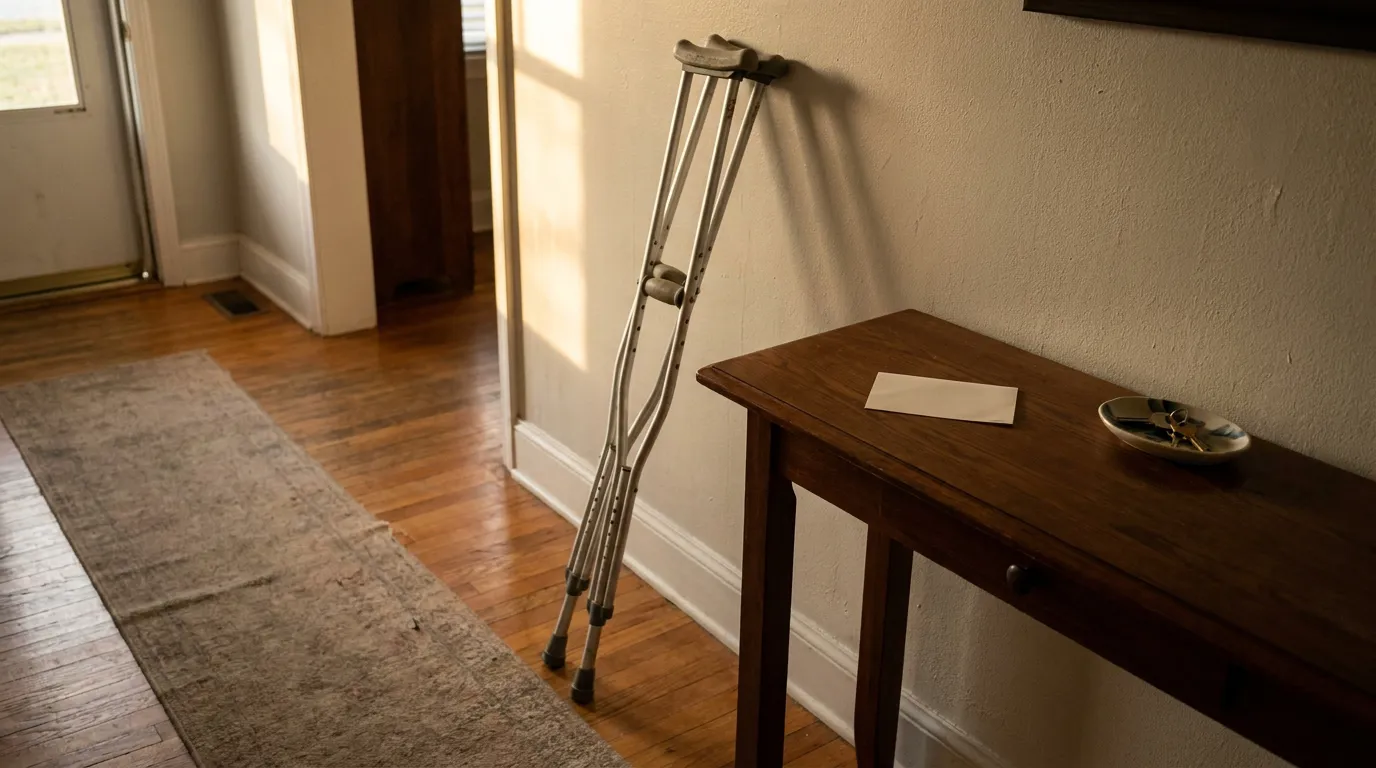
A treatment gap is any noticeable stretch of time when an injured person gets no medical care for crash-related injuries. It can happen at the start, when someone waits days or weeks before seeing a doctor, or mid-recovery, when a person stops physical therapy, skips follow-ups, or never acts on a referral.
Common Reasons Injured People Stop or Delay Care
Most treatment gaps come from real-life pressures, not from a lack of pain. Common problems include:
- Symptoms that show up later, such as whiplash, concussion signs, or worsening back pain
- No health insurance, or worry about growing medical bills
- Work schedules that make appointments hard to attend
- No transportation because the vehicle was totaled
- Thinking the pain would go away on its own
- Childcare or family caregiving duties
These reasons may be valid, but you need to document them. If your records don’t explain the gap, the insurer may fill it with its own version of events.
Why Insurers Focus on the Timeline
Adjusters often treat a gap in treatment as proof that you were not really hurt. The argument usually goes like this: if the injury were serious, you would have gotten care right away and kept getting it. Insurers may also say something else caused your symptoms during the gap, such as a fall at home or a sports injury. These are among the common tactics described in our discussion of how insurers minimize claims.
The Medical Case for Steady Treatment
Prompt, steady care generally creates a clearer record of how an injury developed. Medical records made soon after the crash help connect your symptoms to it, so breaks in care can make the course of an injury harder to show. Delayed or interrupted treatment may also make diagnosis harder and, for some injuries, leave them worse.
One study of workplace back injuries found that longer delays before getting medical care were linked to longer time off work. The research, titled Lag Times in Reporting Injuries, looked at workplace injuries, not car crashes, and showed a link, not proof that delay caused the longer disability. Still, it helps explain why insurers look closely at delays.
💡 Pro Tip: When you go back to a doctor after a break in care, tell them why you stopped, such as cost, transportation, or work. A short note in your chart may carry more weight later than an explanation you give months afterward.
How a Treatment Gap Can Affect Your Damages Under Indiana Law
Indiana law addresses how you handle your own recovery, though not always through the comparative fault statute. Under Ind. Code § 34-6-2-45(b), "fault" for comparative fault purposes includes negligent, willful, wanton, or reckless acts or omissions, and the statute’s text also lists an "unreasonable failure to avoid an injury or to mitigate damages." However, the Indiana Supreme Court held in Kocher v. Getz (2005) that this mitigation language applies only to a plaintiff’s pre-accident conduct. A plaintiff’s post-accident conduct, such as delaying or skipping medical care, is not assessed as fault under the Comparative Fault Act.
What "Failure to Mitigate" Means in Practice
The defense may argue that waiting too long or quitting treatment was unreasonable and made your injuries worse. Under Indiana’s avoidable-consequences doctrine, if a judge or jury agrees, you may be barred from recovering the portion of damages that reasonable, timely care would have prevented, rather than having that conduct converted into a fault percentage. Whether a delay was reasonable usually depends on your symptoms, your finances, what your doctors told you, and whether care was actually available. A gap alone does not prove you failed to mitigate. The party raising this argument generally must show both that your conduct was unreasonable and that it actually made your harm worse.
Indiana’s Modified Comparative Fault Rule
Indiana uses modified comparative fault, so fault charged to you generally lowers your recovery instead of ending it. Under Ind. Code § 34-51-2-5, your own fault reduces your damages in proportion to your share of fault. The exception appears in Indiana’s 51 percent bar. Under Ind. Code § 34-51-2-6, you cannot recover if your fault is greater than the fault of all others whose fault contributed to your damages. In practice, that means more than 50 percent. At exactly 50 percent, you may still recover half your damages. The Comparative Fault Act does not apply to claims against government entities, which follow different rules.
How a Jury Turns Fault Percentages Into Dollars
Under Ind. Code § 34-51-2-7(b), a jury in a single-defendant case first assigns fault percentages to you, the defendant, and any nonparty. If your share is more than 50 percent, the defendant wins. If not, the jury figures your total damages as if you had no fault, then multiplies that amount by the defendant’s percentage.
Cases with several defendants, such as a multi-car crash on I-465, work much the same way. Under Ind. Code § 34-51-2-8(b), each defendant generally pays only its own percentage of the total damages, unless your share is more than 50 percent, in which case you recover nothing.
The table below shows a simple example with $100,000 in total damages:
| Scenario | Your Fault | Defendant’s Fault | Possible Award |
|---|---|---|---|
| No fault charged to you | 0% | 100% | $100,000 |
| Minor fault for the crash itself | 15% | 85% | $85,000 |
| Significant shared fault for the crash | 45% | 55% | $55,000 |
| Combined fault goes over the line | 51% | 49% | $0 |
A treatment gap alone does not get assigned as a fault percentage under Indiana law, though it can still limit the damages you recover through the avoidable-consequences doctrine. The risk of a fault bar grows when fault for the crash itself is already in dispute.
Deadlines and Liens: Two More Ways Delay Matters
The Two-Year Filing Deadline
Under Ind. Code § 34-11-2-4(a), you generally must file a personal injury lawsuit within two years after the cause of action accrues. In a car crash case, that is usually the date of the crash. A long break in care generally does not extend this deadline. Exceptions, such as for minors, are limited. Claims against government entities also have much shorter tort claim notice deadlines: generally 180 days for claims against political subdivisions, such as the City of Indianapolis or Marion County, under IC 34-13-3-8, and 270 days for claims against the State of Indiana or a state agency under IC 34-13-3-6.
Protection for Your Net Recovery
Indiana law offers some protection when your recovery shrinks. Under Ind. Code § 34-51-2-19, if a lienholder, such as a health insurer, holds a lien against your recovery and comparative fault or limited insurance coverage reduces your recovery, the lien shrinks by the same proportion. The lienholder must also pay its share of attorney’s fees and litigation costs. Federal law may govern some liens, such as those under ERISA self-funded plans or certain government programs, and this statute may not apply to them.
Practical Steps to Protect Your Claim
The best protection is steady medical treatment from the start, but steps taken later can still help. If a gap has already happened, go back to care, follow your providers’ advice, and keep records of the reasons for the gap, such as denied insurance, a missed ride, or a schedule conflict. An attorney may also work with your treating doctors or hired medical experts to explain how the crash caused your injuries despite the gap.
💡 Pro Tip: Keep a simple daily symptom journal, even during weeks when you can’t see a doctor. Notes written at the time about pain levels and daily limits may help show that your injury continued through the gap.
An experienced car accident attorney Indianapolis residents trust can review your records, look for weak spots an insurer may target, and build a response based on the evidence.
Frequently Asked Questions
1. How long of a gap in treatment is too long?
Indiana law sets no fixed number of days. Insurers often question gaps of a few weeks or more, especially right after the crash. Whether a gap hurts your claim usually depends on the reason for it and how well your records explain it.
2. Can I still recover compensation if I had a treatment gap?
In many cases, yes. Under Ind. Code § 34-51-2-5, fault charged to you generally lowers your recovery instead of ending the claim. Under Ind. Code § 34-51-2-6, you lose the right to recover only if your total fault is greater than 50 percent. A treatment gap itself is generally addressed separately, through the avoidable-consequences doctrine, rather than as a fault percentage.
3. What if I couldn’t afford treatment?
Not being able to pay may matter in deciding whether a delay was reasonable. Write down your money problems and tell your providers about them.
4. Does a treatment gap extend my deadline to sue?
Generally, no. The two-year deadline in Ind. Code § 34-11-2-4(a) generally keeps running whether or not you are getting treatment.
5. Will my health insurer’s lien take most of a reduced settlement?
Not necessarily. Under Ind. Code § 34-51-2-19, a covered lien shrinks in proportion to any reduction from comparative fault or limited coverage, and the lienholder must pay its share of fees and costs. Liens governed by federal law, such as some ERISA plan liens, may follow different rules.
Protecting the Value of Your Indianapolis Injury Claim
A gap in medical treatment can give insurers grounds to dispute what caused your injuries, question how severe they are, and argue that you failed to mitigate damages under Indiana’s avoidable-consequences doctrine. Because Indiana uses modified comparative fault, any percentage charged to you for the crash itself may lower your award, and fault greater than 50 percent bars recovery. Getting steady care, writing down the reasons for any gap, and meeting the two-year filing deadline and any shorter notice deadlines can help protect your claim’s value. Results depend on the facts of each case.
If an insurer is using a gap in treatment after your car accident to undervalue your claim, it may help to have someone push back for you. Poynter & Bucheri represents injured people throughout Indianapolis. Call (317) 406-7443 or schedule your consultation to talk about your next steps.
Disclaimer: This content is for informational purposes only and is not legal advice. Every case is unique, and results may vary. Consult an attorney about your specific circumstances.