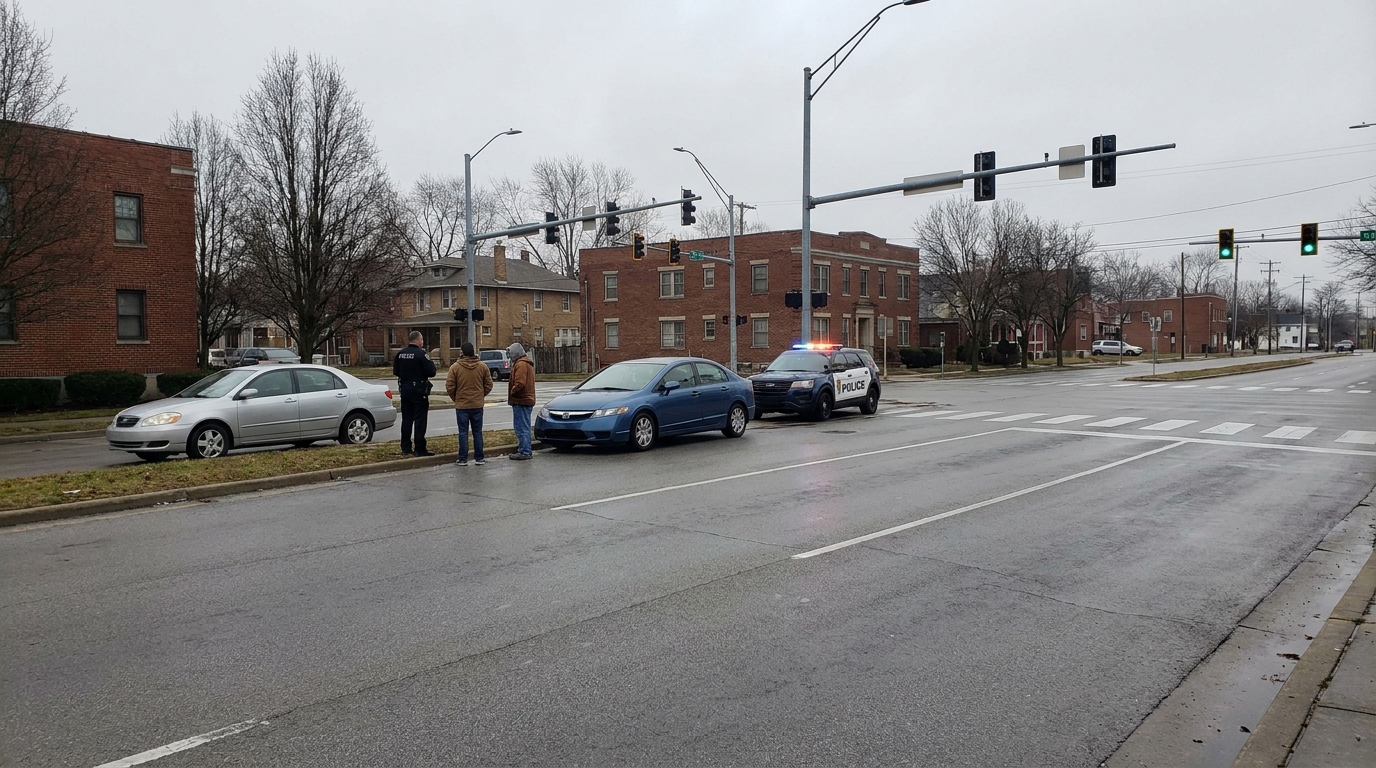
A fresh set of federal traffic-fatality numbers is shaping how injury lawyers, insurers, and courts discuss risk, damages, and public safety in 2026. On April 1, 2026, NHTSA announced traffic deaths continued to decline in 2025, while releasing final 2024 fatality data. Although these figures concern motor-vehicle deaths rather than premises incidents, they influence how… Read more »

Personal Injury Blog
What Is Indiana’s Fault-Based System for Car Accident Claims?
Indiana operates under a fault-based system for car accident claims, meaning the driver responsible for causing a crash bears financial liability for resulting injuries and property damage. If you were hurt in a collision in Indianapolis or anywhere in Indiana, understanding how this system works is essential to protecting your right to compensation. Unlike no-fault… Read more »
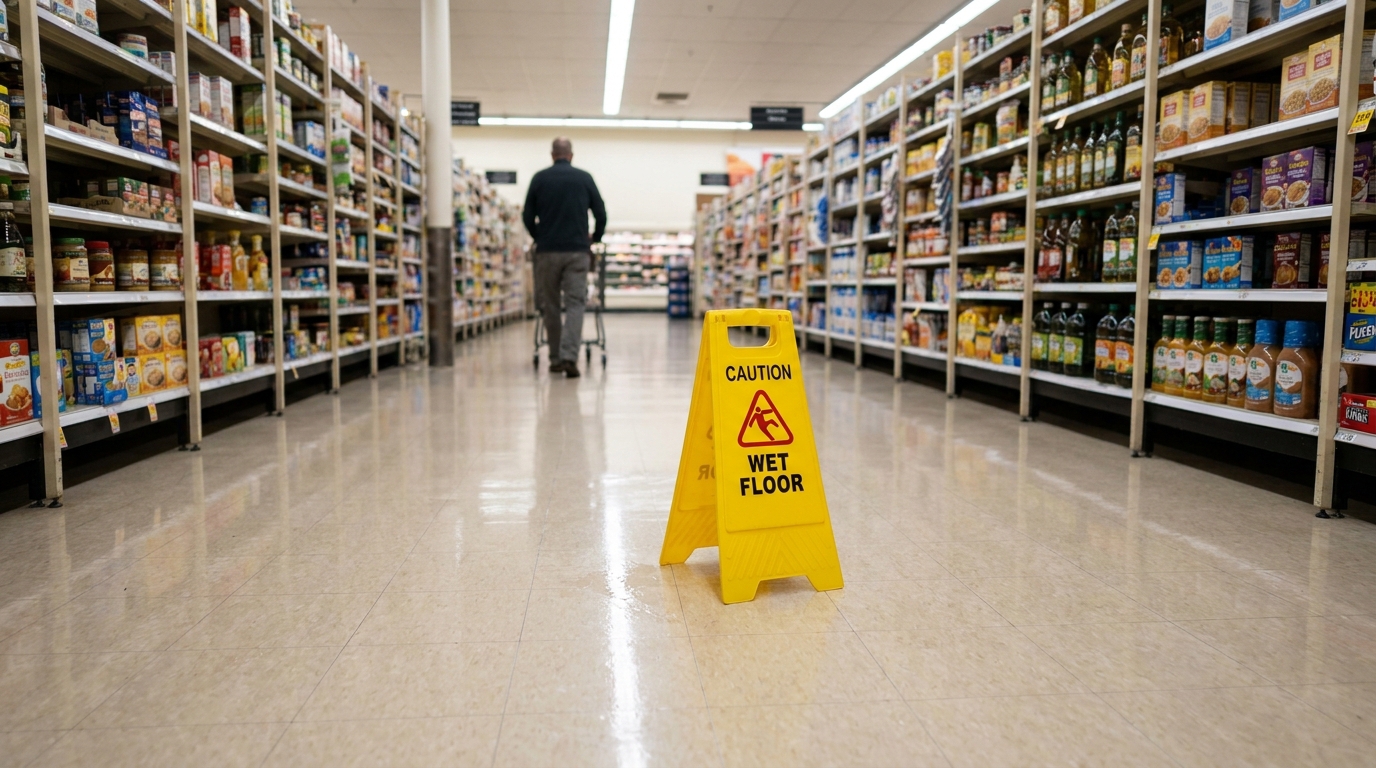
Can a Mooresville Store Be Liable for a Wet Floor Fall?
Yes, a Mooresville store can be held liable for a wet floor fall, but only if you can establish negligence. Simply falling inside a business does not automatically entitle you to compensation. You must show the store knew or should have known about the hazardous condition and failed to act. Under premises liability law, stores… Read more »
What Is Premises Liability in an Indianapolis Slip and Fall Case?
Premises liability is the legal principle that holds property owners responsible when unsafe conditions on their property cause injuries to visitors. If you slipped and fell in an Indianapolis grocery store, parking lot, restaurant, or apartment complex, Indiana premises liability law may entitle you to compensation for your medical bills, lost wages, and pain and… Read more »
How to Document a Slip and Fall Injury in Indianapolis
If you slipped and fell on someone else’s property in Indianapolis, the steps you take immediately afterward can make or break your claim. Thorough documentation establishes the property owner’s liability and protects your right to fair compensation under Indiana law. Whether you tripped on a broken sidewalk, slipped on a wet floor, or fell in… Read more »
Why an Auto Accident Attorney in Indianapolis, IN Matters After a Fatal Crash
A new 2026 federal traffic-safety release reported that nationwide traffic deaths fell in 2025, and Indiana’s first-half 2025 fatality estimate also moved downward. That is encouraging news, but it does not erase the legal and financial reality families face after a fatal crash in Indianapolis, Indiana. When a loved one dies because of another driver’s… Read more »
Can A Slip And Fall Case Succeed Without Proof Of Actual Notice In Indiana?
Yes, a slip and fall case in Indiana can succeed without proving the property owner had direct knowledge of the hazard. Indiana law recognizes constructive notice, meaning a property owner may be liable if they should have known about a dangerous condition. This is important for injured individuals in Indianapolis who believe their case is… Read more »
What Evidence Strengthens a Slip and Fall Case in Indianapolis?
Strong evidence can make or break a slip and fall case in Indianapolis. If you slipped on a wet floor, tripped over a broken sidewalk, or fell in a poorly maintained parking lot, the quality of evidence you gather directly affects whether you can recover compensation. Indiana law places specific requirements on how fault is… Read more »
What Evidence Strengthens an Indianapolis Premises Liability Claim?
Strong evidence is the foundation of any successful premises liability claim in Indianapolis. If you suffered an injury on someone else’s property due to a dangerous condition, your case depends on how well you document the incident and connect the property owner’s negligence to your injuries. Indiana law requires proof of four elements: duty of… Read more »
Can Indiana Property Owners Be Liable for Parking Lot Falls?
Yes, Indiana property owners can generally be held liable when unsafe parking lot conditions cause someone to fall and suffer injuries. Under Indiana premises liability law, property owners owe a legal duty to maintain reasonably safe conditions for lawful visitors. When they fail to address hazards like potholes, cracked pavement, or icy surfaces, they may… Read more »