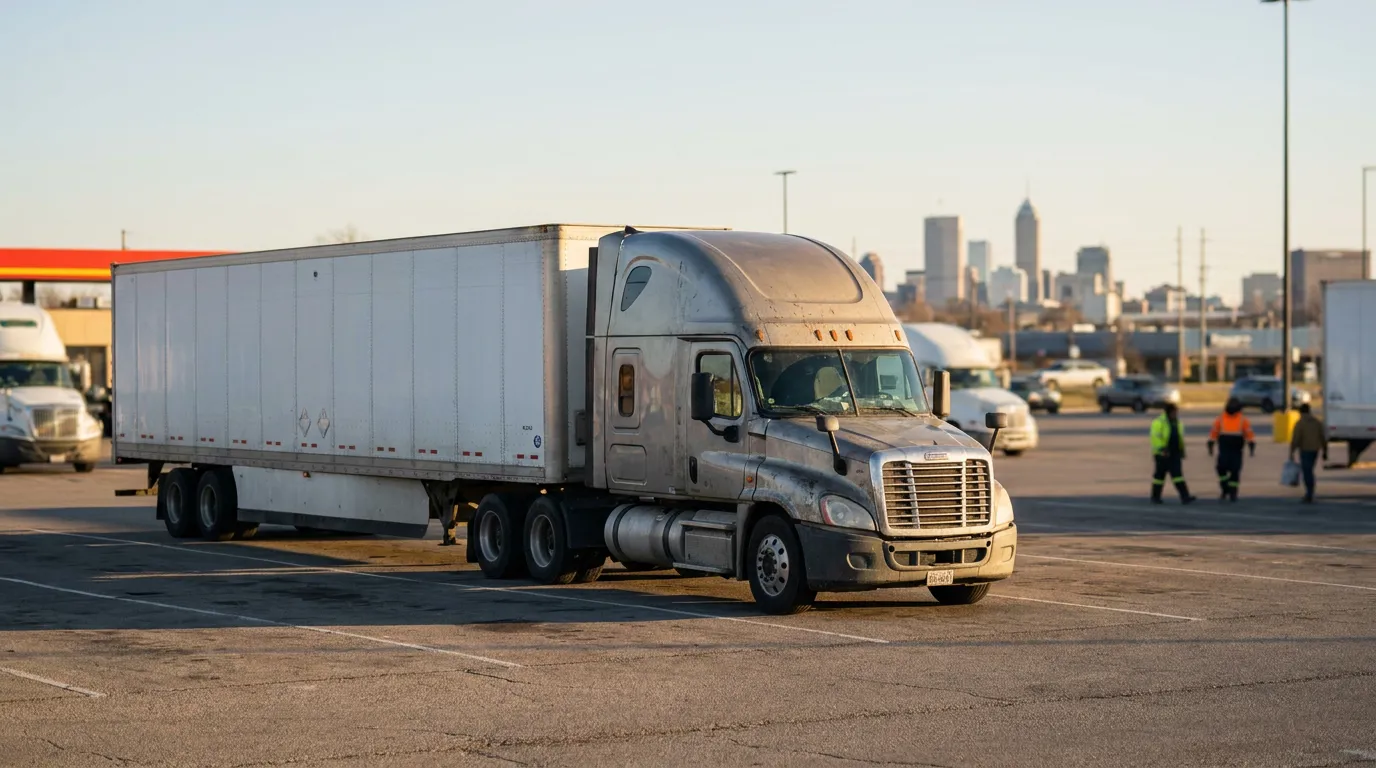
The Federal Insurance Safety Net Behind Indiana Semi-Truck Crashes Key Takeaways: The MCS-90 endorsement (49 CFR § 387.15) obligates an insurer to pay certain final judgments for bodily injury or property damage caused by a carrier’s negligent operation, maintenance, or use of motor vehicles, even when the underlying policy denies coverage or the truck was… Read more »
Personal Injury Blog
What Is the Indiana Nonparty Defense Under Code 34-51-2-14?
When a Property Owner Points the Finger at Someone Who Isn’t in the Courtroom Key Takeaways: The Indiana nonparty defense under Ind. Code § 34-51-2-14 allows defendants to argue that an un-sued person or company caused all or part of the claimant’s damages. Defendants must affirmatively plead and prove this defense under Ind. Code §… Read more »
Indiana Appeals Court Revives Negligent Security Claim in August 2026 Ruling
When Indiana’s Recreational Use Statute 14-22-10-2 Meets a Revived Negligent Security Claim Key Takeaways: In an August 10, 2026 decision, the Indiana Court of Appeals reversed the dismissal of a workplace negligence lawsuit — including claims of negligent hiring, negligent supervision, negligent retention, and vicarious liability — arising from an employee’s alleged sexual assault by… Read more »
What Is the Indiana Collateral Source Statute 34-44-1-2?
Why Indiana Juries Can Hear About Your Health Insurance Payments Key Takeaways: Indiana Code § 34-44-1-2 allows juries in personal injury and wrongful death cases to hear evidence of certain collateral source payments. Indiana only partially abrogated the common law collateral source rule in 1986, with meaningful exclusions for life insurance and death benefits, insurance… Read more »
Does Riding Without a Motorcycle Endorsement Hurt an Indiana Injury Claim?
What an Endorsement Really Means for an Injured Rider’s Case in Indiana Key Takeaways: Riding without a motorcycle endorsement does not automatically bar an Indiana injury claim. Under Indiana’s modified comparative fault system, an injured rider may recover unless their fault exceeds 50% of total fault, with damages reduced by their percentage. IC 34-51-2-3 requires… Read more »
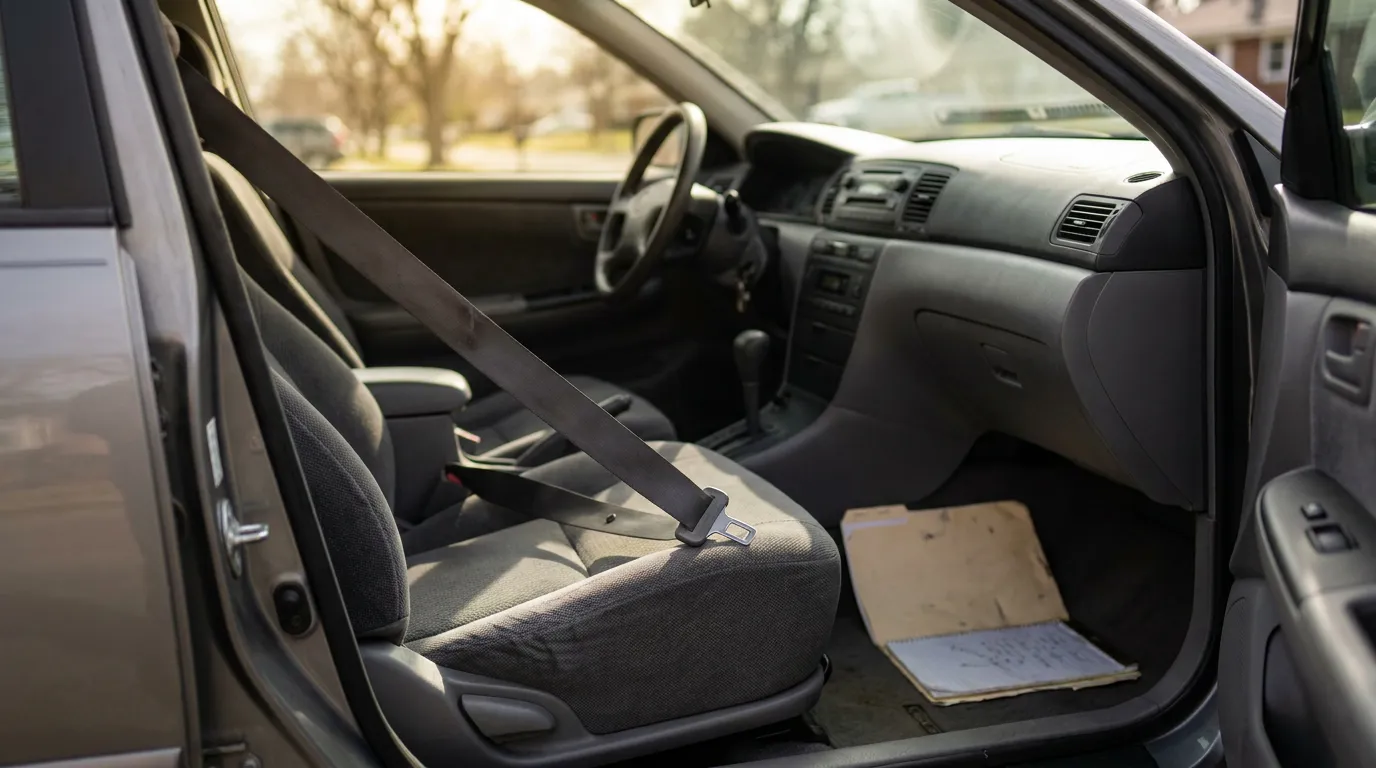
What Does Indiana Code 9-19-10-7 Say About Seat Belt Evidence?
Why Indiana’s Seat Belt Rule Still Matters for Injured Crash Victims Key Takeaways: Indiana Code § 9-19-10-7 was rewritten by P.L.49-2024 (House Bill 1090). For causes of action accruing after June 30, 2024, subsection (c) allows seat belt nonuse evidence to mitigate damages for plaintiffs at least 15 years old, with defendants bearing the burden… Read more »
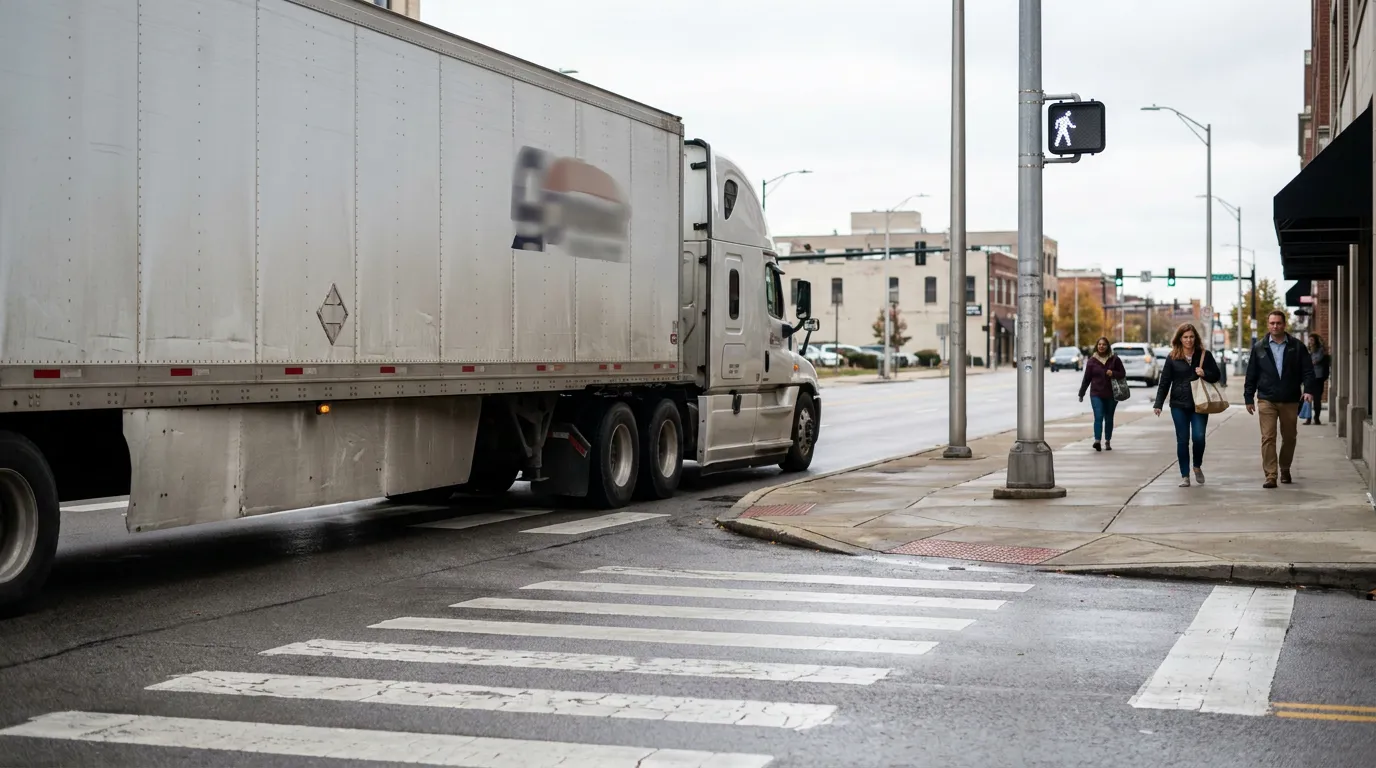
Can a Pedestrian Recover Damages After Being Hit by a Truck in Indianapolis?
Understanding Your Rights After a Pedestrian-Truck Collision in Indianapolis Key Takeaways: Yes, a pedestrian hit by a truck in Indianapolis can often recover damages, even when partially at fault. Indiana follows a modified comparative fault system under IC 34-51-2, allowing injured pedestrians who are 50% or less at fault to recover reduced compensation. Fault is… Read more »
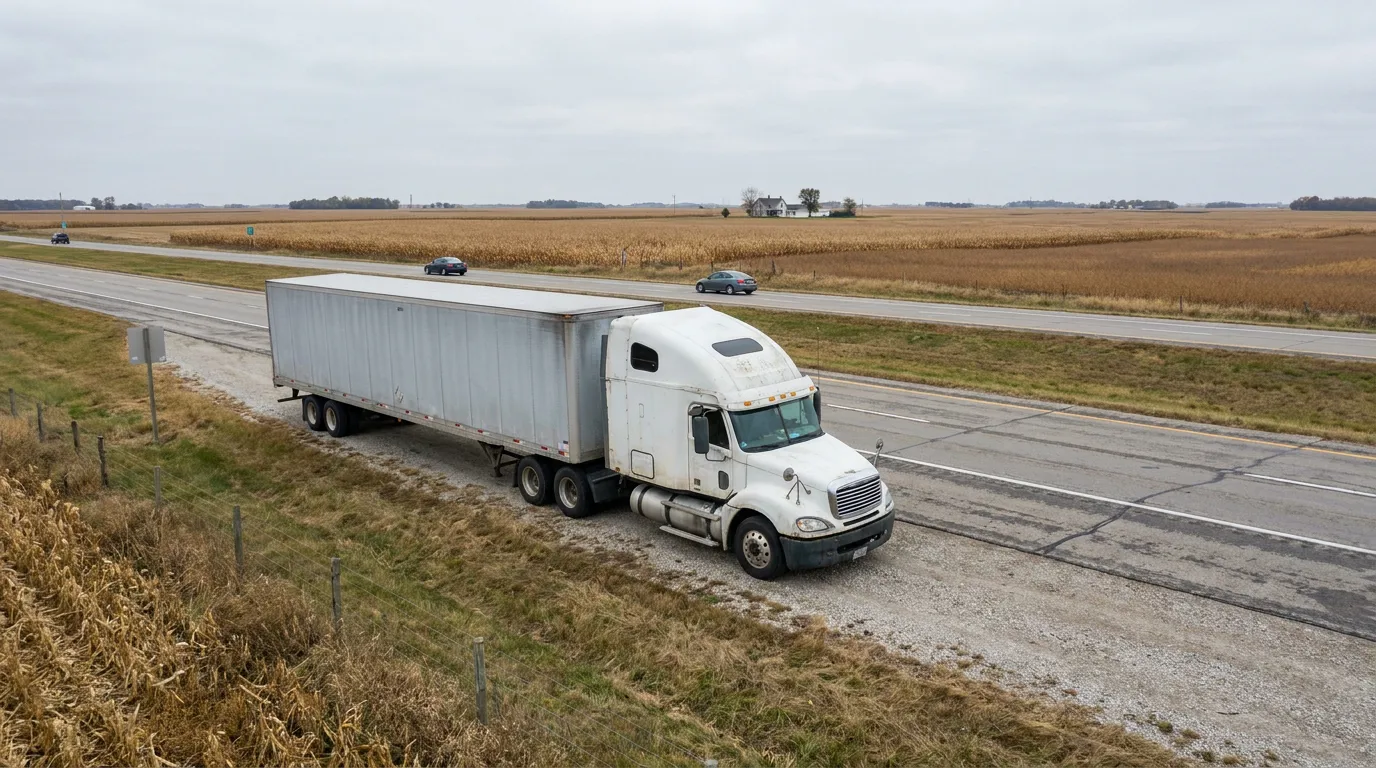
How Attorneys Prove Fault After the July 2026 I-70 Hancock County Semi Crash
Can I File a Claim With Two Insurance Companies After the I-70 Semi Crash? Key Takeaways: After the July 2026 I-70 Hancock County semi crash, injured motorists are asking how fault gets proven and which insurance policies may respond. Indiana uses a modified comparative fault system with a 51% bar, so the fault percentage assigned… Read more »
Who Is Responsible for a Slip and Fall at an Indianapolis Apartment Complex?
Understanding Liability When You Fall on Rental Property in Indianapolis Key Takeaways: Responsibility for a slip and fall at an Indianapolis apartment complex rests with the party who controlled the property and failed to keep it reasonably safe, typically the landlord, property management company, or maintenance contractor. Under Indiana premises liability law, an owner is… Read more »
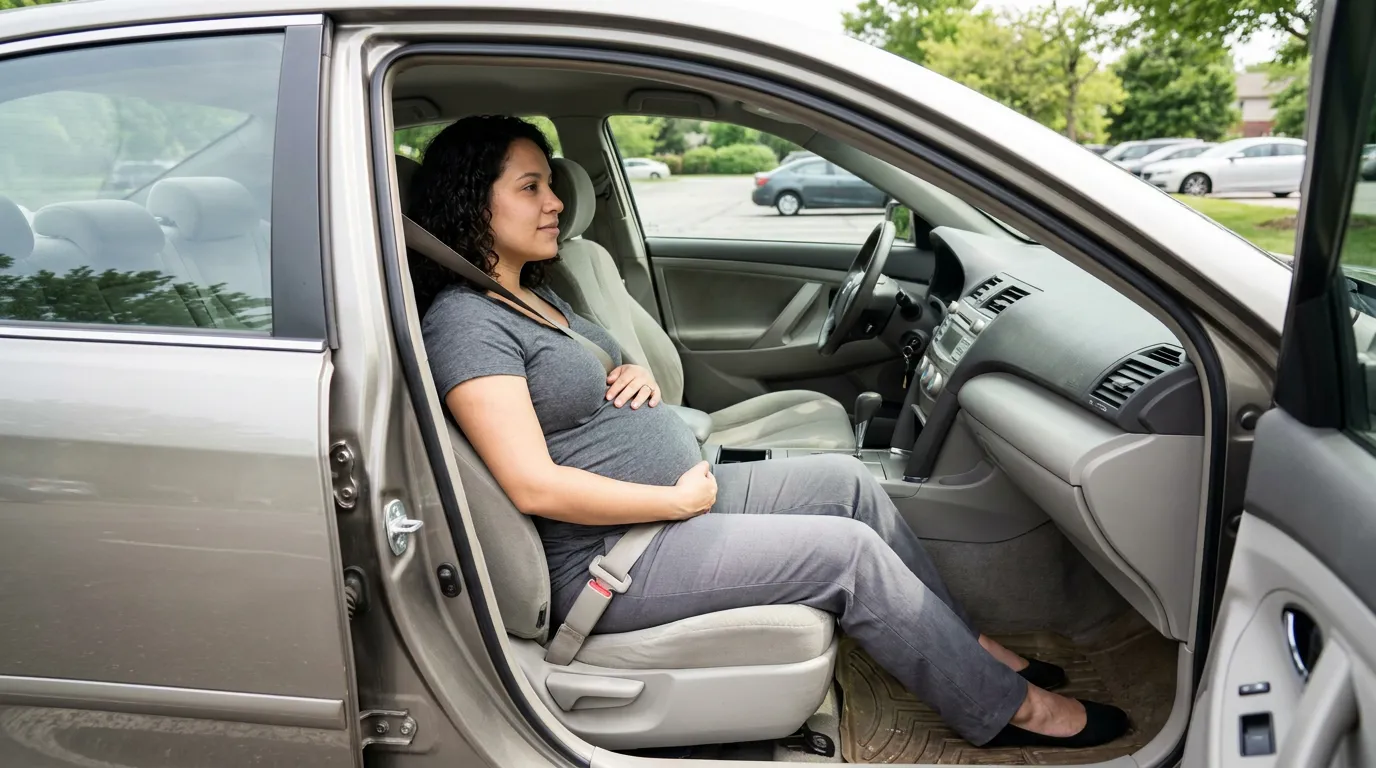
What Injuries Can Pregnant Women Suffer in an Indianapolis Rear-End Crash?
How a Rear-End Crash Can Affect Pregnant Women Key Takeaways: A rear-end crash during pregnancy can cause serious harm including placental abruption, preterm labor, miscarriage, whiplash, spinal injuries, abdominal trauma, and internal bleeding. The most dangerous complications often produce no immediate symptoms and may develop hours or days later, making prompt medical evaluation essential. National… Read more »