
Can a Tenant Sue a Landlord for Faulty Wiring in Indiana?
Understanding Your Rights When Faulty Wiring Causes Harm
Key Takeaways: In Indiana, tenants injured by faulty wiring can sue their landlord under state law and the implied warranty of habitability, which requires landlords to maintain electrical systems in safe working condition under IC 32-31-8-5. To recover, tenants must prove negligence: duty, breach, causation, and damages, supported by documentation such as photos, fire reports, and medical records. Before filing, tenants must provide dated written notice and reasonable time to repair, and may report hazards to code enforcement. Indiana prohibits rent withholding or repair-and-deduct remedies, making civil lawsuits the primary relief path. Landlords may raise comparative fault, but tenants need only use electrical systems reasonably; under Indiana’s modified comparative fault rule, a tenant more than 50% at fault recovers nothing, and recovery is reduced by the tenant’s fault percentage. Most personal injury claims must be filed within two years under Title 34.
If you were injured by an electrical hazard in your rental home, you may wonder whether the property owner can be held accountable. Faulty wiring can cause shocks, burns, and fires, and Indiana law places clear duties on landlords to keep these systems safe. For injured tenants in Indianapolis, you generally can pursue a claim when a landlord’s failure to maintain safe wiring causes harm. This article explains how Indiana law treats these cases, what you must prove, and the practical steps that protect your claim.
If a dangerous electrical condition has left you or a loved one hurt, the team at Poynter & Bucheri is ready to listen. Call us at (317) 406-7443 or reach out through our online case review form.
Can I Sue My Landlord for Faulty Wiring Under Indiana Law?
Indiana tenants generally have the right to take legal action when a landlord fails to repair a dangerous condition within a reasonable time. Under the state’s residential landlord-tenant statute, if the landlord does not fix the problem reasonably, you can sue for damages, repair orders, and attorney fees. The framework exists within Indiana Code Title 32.
This right is reinforced by the implied warranty of habitability. In Indiana, "implied" means the landlord must keep a rental home safe to live in, even without a lease clause. That protection matters for electrical hazards, because a tenant does not need specific lease language about wiring to hold a landlord responsible for an unsafe condition.
💡 Pro Tip: Save every text message, email, and letter you send your landlord about an electrical problem. A clear paper trail showing what you reported and when is often the backbone of a strong claim.
What Indiana Landlords Must Do to Keep Wiring Safe
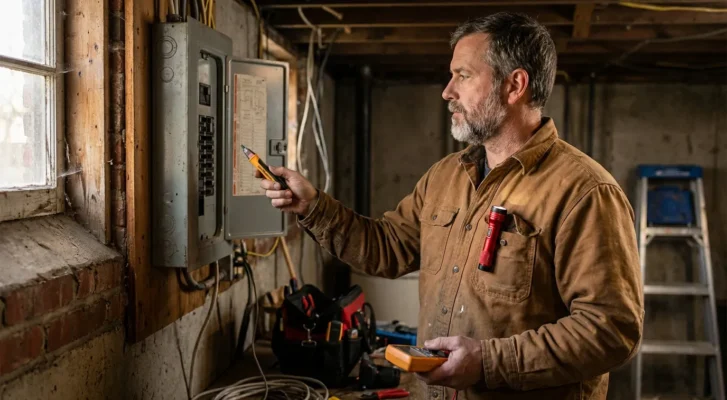
Indiana law requires landlords to provide and maintain electrical systems in good and safe working condition. The statute directs landlords to deliver rental premises in compliance with the rental agreement, and in a safe, clean, and habitable condition. You can read the detailed obligations in the state’s residential landlord duties statute, codified at IC 32-31-8-5.
These duties extend specifically to electrical systems. Under IC 32-31-8-5(4)(A), a landlord must provide and maintain electrical systems in good and safe working condition if provided on the premises when the rental agreement is entered. The statute also requires compliance with all applicable health and housing codes, including local electrical safety codes. Because of these overlapping obligations, landlord negligence with faulty wiring can give rise to a premises liability claim in Indianapolis.
Tenant duties exist too, but they do not release a landlord. Indiana law asks tenants to use electrical systems reasonably, yet the statute makes clear that tenant responsibilities do not shrink a landlord’s repair obligations. As the law states, this section may not be construed to limit a landlord’s obligations under this chapter or IC 32-31-8. Using your outlets and appliances normally does not transfer responsibility for dangerous wiring onto you.
| Party | Core Duty Under Indiana Law |
|---|---|
| Landlord | Maintain electrical systems in safe working condition (IC 32-31-8-5) |
| Landlord | Comply with applicable health and housing codes |
| Tenant | Use electrical systems in a reasonable manner (IC 32-31-7-5) |
| Tenant | Provide written notice of problems before suing |
Proving Landlord Negligence in a Faulty Wiring Case
A faulty electrical injury claim in Indiana rests on the four elements of negligence. To recover, an injured tenant must show duty, breach, causation, and damages. The statutes above establish the landlord’s duty, while evidence of an unrepaired hazard shows breach.
The Four Elements of Negligence
Each element plays a distinct role. A tenant must connect the dangerous wiring directly to the injury, which is the causation element.
- Duty: The landlord owed a legal obligation to maintain safe electrical systems.
- Breach: The landlord failed to repair or address a known or knowable hazard.
- Causation: The faulty wiring directly caused the shock, burn, or fire injury.
- Damages: You suffered actual harm, such as medical bills, lost wages, or property loss.
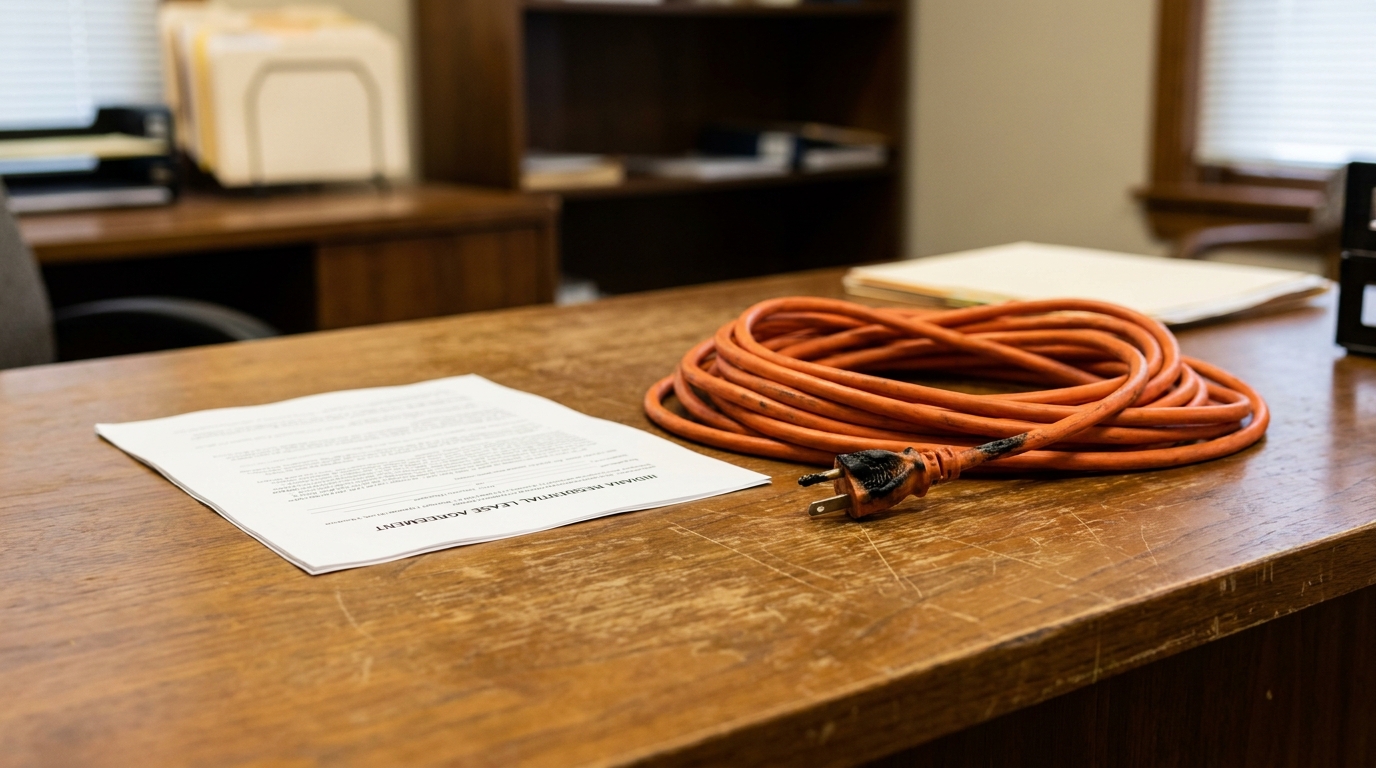
Documentation strengthens each element. Photographs of scorched outlets, fire department reports, medical records, and an electrician’s assessment help connect the hazard to your injuries. Because outcomes depend on specific facts, no two electrical injury cases unfold the same way.
How Comparative Fault Can Affect Recovery
Indiana applies a comparative fault framework weighing each party’s responsibility. Title 34 includes provisions on comparative fault under IC 34-51-2, which a landlord might raise to argue a tenant contributed to the harm. Indiana follows a modified comparative fault rule: a tenant’s recovery is reduced by his or her percentage of fault, and a tenant more than 50% at fault is barred from recovering. However, because Indiana law requires tenants only to use electrical systems reasonably under IC 32-31-7-5(3)(A), a landlord generally cannot shift blame onto a tenant who used the wiring ordinarily. How a court allocates fault is fact-dependent and affects both whether and how much a tenant recovers.
💡 Pro Tip: Photograph the hazard before any repair is made. Once an electrician replaces faulty wiring, key evidence of the dangerous condition can disappear.
Steps to Take Before Filing a Lawsuit
Indiana generally requires tenants to give written notice and a reasonable chance to repair before heading to court. The statute instructs tenants to notify the landlord of the problem and allow reasonable time to fix it, put the date on the notice, and keep a copy. This step is more than a formality, it documents that the landlord knew about the hazard.
Reporting Unsafe Conditions to Local Authorities
Tenants can also alert local officials in addition to pursuing a civil claim. According to Indiana tenant guidance, if conditions are bad, you can contact your local board of health or code enforcement office to report the conditions. These administrative reports are separate from a civil lawsuit, although a code violation can serve as helpful evidence. Learn more through this overview of Indiana tenant rights and remedies.
Indiana is more limited than some states regarding self-help remedies. Tenant guidance notes that unlike some states, Indiana does not allow tenants to withhold rent or make repairs and deduct it from rent. Because of this, a lawsuit is often the primary path to a remedy when a landlord ignores a dangerous wiring problem. If unsure how these rules apply, it may help to review related resources or consult a lawyer before acting.
💡 Pro Tip: Send repair requests in writing rather than by phone. A dated email or letter creates a record that a verbal conversation cannot.
Deadlines That Can Affect Your Claim
Time limits are among the most important factors in any tenant injury electrical hazard case in Indiana. Personal injury and property damage claims fall under Indiana Code Title 34, and these civil claims generally must be filed within two years. Missing that window can bar a claim, so acting promptly is critical.
Indiana courts interpret exceptions to deadlines narrowly. In limited circumstances, a discovery rule or tolling principle may apply when an injury was not immediately apparent, but these exceptions are decided case by case. It is worth distinguishing civil statutes of limitations from government administrative claim deadlines, which can be shorter. Because these deadlines are time-sensitive and fact-specific, speaking with a premises liability attorney in Indianapolis early can help preserve your options.
💡 Pro Tip: Note the exact date of your injury and any related fire or inspection report. The clock on an Indiana faulty wiring lawsuit can start sooner than many tenants expect.
Frequently Asked Questions
1. What kind of injuries from faulty wiring can support a claim?
Electrical hazards can cause serious harm supporting a premises liability claim. Shocks, burns, smoke inhalation, and injuries from electrical fires are common examples. Documented medical treatment and a clear link to the wiring strengthen these cases.
2. Do I need to notify my landlord before suing?
In most cases, yes. Indiana law generally expects tenants to provide dated written notice and allow reasonable time for repairs. Keeping a copy of that notice helps prove the landlord knew about the danger.
3. Can my landlord blame me for the faulty wiring?
A landlord may raise comparative fault, but the law limits this argument. Tenants are only required to use electrical systems reasonably under IC 32-31-7-5. Ordinary use of outlets and appliances generally does not shift liability for dangerous wiring, though under Indiana’s modified comparative fault rule a tenant more than 50% at fault cannot recover.
4. How long do I have to file a faulty wiring injury lawsuit in Indiana?
Personal injury claims generally carry a two-year deadline under Title 34. Exceptions are interpreted narrowly and are not guaranteed to apply. Acting quickly protects both your evidence and your right to file.
5. What if my landlord refuses to make repairs?
Indiana does not allow rent withholding or repair-and-deduct remedies. When a landlord ignores a dangerous condition, a civil lawsuit is often the primary remedy. Reporting the hazard to code enforcement can also create useful documentation.
Protecting Your Health and Your Legal Rights
Faulty wiring is a serious hazard, and Indiana law gives injured tenants meaningful tools to seek accountability. Between the implied warranty of habitability, the landlord’s statutory duty to maintain electrical systems, and the right to sue when repairs are ignored, tenants are not powerless. Success in any individual case depends on the specific facts, the strength of your documentation, and timely action within applicable deadlines.
If a dangerous electrical condition in your rental has caused you harm, the attorneys at Poynter & Bucheri are here to help you understand your options. Reach our premises liability attorney Indianapolis team by calling (317) 406-7443, or send us the details through our confidential contact page today.