
Can You Sue if Indianapolis Snow Plows Caused Your Fall?
When Winter Weather Operations Lead to Unexpected Injuries
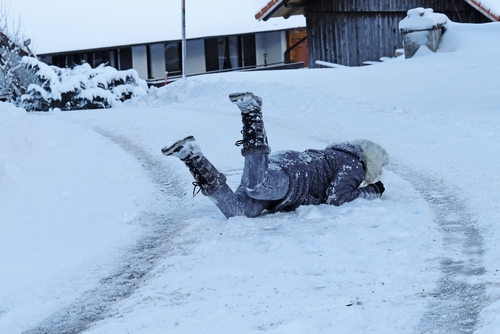
Thousands of Indianans slip and fall on icy surfaces each winter, but what happens when city snow plows meant to improve safety actually cause your accident? If you’ve been injured due to negligent snow removal operations, you may have legal options. However, claims against government entities involve specific rules and strict deadlines that differ significantly from typical personal injury cases. Understanding your rights and acting quickly can determine whether you receive fair compensation or have your claim dismissed.
💡 Pro Tip: Document everything immediately – take photos, get witness information, and seek medical attention even for minor injuries.
If a winter mishap has left you on icy ground, Poynter & Bucheri is here to guide you through the legal maze. Our team is ready to tackle the complexities of filing claims against government entities and fight for the compensation you deserve. Don’t leave your future to chance—reach out today at (317) 406-7443 or contact us.

Understanding Your Rights After a Snow Plow-Related Slip and Fall
To establish liability against a municipal entity, you must prove three elements: a dangerous condition existed, the entity knew or should have known about it, and the entity failed to fix or warn about it despite having reasonable opportunity. Snow plow operations may create liability when plows create ice ridges, push snow onto cleared walkways, or damage surfaces creating trip hazards. A Slip and Fall Attorney in Indianapolis, IN can evaluate whether the city’s snow removal practices met reasonable safety standards.
The Office of the Indiana Attorney General Civil Investigations Division reviews tort claims filed against state entities. The Notice of Tort Claim Form must be filed within strict timeframes – 180 days for claims against Indiana political subdivisions (cities, counties) or 270 days for claims against the State of Indiana, drastically shorter than the typical two-year statute of limitations for personal injury cases. Missing this deadline can permanently bar your right to compensation, regardless of your case’s strength.
💡 Pro Tip: Most states cap compensation from government entities, making accurate initial damage assessment crucial.
Critical Steps and Deadlines for Government Entity Claims
Time is critical when filing claims against city or state agencies for snow removal injuries. The process involves multiple stages with strict, non-extendable deadlines. Working with a Slip and Fall Attorney in Indianapolis, IN becomes essential given these compressed timeframes and specific filing requirements.
- Within 24-48 hours: Report the incident to the appropriate city department and obtain an incident report number
- Within 180 days: Indiana law requires filing a tort claim notice with political subdivisions (including cities and counties) under Indiana Code 34-13-3-8; claims against the State of Indiana must be filed within 270 days
- 90-day waiting period: After filing notice, you must wait for the entity to investigate and respond before filing a lawsuit
- Within 2 years: If your claim is denied or ignored, you must file a formal lawsuit before the statute of limitations expires
- Discovery phase: Exchange of evidence and depositions can last from a few months to over a year depending on case complexity; there is no specific standard timeline established for government liability cases in particular
💡 Pro Tip: Keep a detailed journal of injuries, treatments, and daily impacts – this documentation becomes invaluable during negotiations or trial.
Building a Strong Case with Help from Poynter & Bucheri
Successfully pursuing claims against government entities requires navigating complex immunity laws and procedures. Poynter & Bucheri understands Indiana’s tort claim procedures and has experience with municipal cases. We demonstrate that city snow removal operations fell below reasonable safety standards and caused your injuries. Our approach includes gathering weather reports, snow removal schedules, maintenance records, and witness statements. When you need to consult a lawyer about your winter accident claim, timing matters – the sooner you act, the stronger your case.
A Slip and Fall Attorney in Indianapolis, IN from our firm will investigate whether the plow operator followed proper procedures, if equipment was maintained, and whether the city had adequate safety policies. We understand government entities often claim immunity, but immunity may be waived through the Indiana Tort Claims Act, purchase of liability insurance, or other statutory exceptions; once immunity does not apply, plaintiffs must prove negligence (duty, breach, causation, and damages). Our team knows how to navigate these defenses and overcome governmental immunity claims.
💡 Pro Tip: Request copies of the city’s snow removal policies through public records requests – these documents can reveal whether proper protocols were followed.
Common Scenarios Where Snow Plow Operations Create Liability
Not every slip and fall creates lawsuit grounds. Snow plow operators must perform work without creating additional hazards. When their actions fall below reasonable safety standards, injured parties may have valid claims. A Slip and Fall Attorney in Indianapolis, IN can assess whether your circumstances demonstrate negligent snow removal violating the city’s duty of care.
Dangerous Conditions Created by Improper Plowing
Snow plows can create hazards by pushing snow onto cleared sidewalks, creating steep snow banks forcing pedestrians into traffic, damaging pavement surfaces that become trip hazards, and applying excessive deicing chemicals creating slippery residue. OSHA provides guidelines and enforces general workplace safety standards (such as fall protection and the General Duty Clause) that apply to snow removal operations, while municipalities typically impose snow removal requirements on property owners through local ordinances and handle snow removal from public streets. When investigating Indiana Civil Tort Claims related to winter weather, courts examine whether removal methods created unreasonable dangers.
💡 Pro Tip: Take photos from multiple angles – wide shots establish context while close-ups document the dangerous condition.
Defending Against Comparative Negligence Arguments
Government entities frequently argue injured parties share responsibility, potentially reducing compensation under comparative negligence principles. The city may claim you were negligent by being where visitors aren’t expected, not paying attention, being distracted, wearing inappropriate footwear, or encountering an "open and obvious" danger.
Proving You Took Reasonable Precautions
OSHA recommends wearing footwear with good traction and walking with short steps at a slower pace on snow or ice. Following these guidelines strengthens your position against comparative negligence claims. Document what you wore, your area familiarity, and precautions taken. Weather conditions matter – visibility, precipitation, and temperature all factor into reasonable behavior. Your attorney can argue that even careful pedestrians couldn’t avoid the specific hazard created by negligent snow removal operations.
💡 Pro Tip: Save the shoes you wore during the accident – they serve as evidence of appropriate footwear and counter comparative negligence claims.
Calculating Damages in Government Entity Claims
While most states cap compensation from government entities, understanding your full damages remains crucial for maximizing recovery within limits. Indiana law allows various damage types, though total amounts may be capped. Working with an experienced snow plow accident lawyer ensures all damages are properly documented and pursued.
Types of Recoverable Damages
Damages typically include medical expenses (emergency treatment, surgery, therapy, future needs), lost wages and reduced earning capacity, pain and suffering within statutory limits, and out-of-pocket expenses. Keep detailed records of all expenses and impacts. Some victims require extensive rehabilitation or face permanent mobility limitations. An experienced Indianapolis winter accident lawyer understands how to present these damages effectively within governmental liability law constraints.
💡 Pro Tip: Create a dedicated folder for all accident-related documents – organized records make it easier to provide information to your attorney.
Frequently Asked Questions
Common Legal Concerns About Municipal Snow Removal Claims
These cases involve specific rules and limitations not applicable to typical personal injury claims. Below are answers to common questions about slip and fall compensation in Indiana when city snow removal operations are involved.
💡 Pro Tip: Write down all questions before meeting with an attorney – this ensures comprehensive answers and maximizes consultation value.
Next Steps and Legal Process
After a snow plow-related slip and fall, prompt action protects your rights and strengthens your claim. The legal process for municipal claims follows specific procedures differing from standard personal injury cases.
💡 Pro Tip: Start a daily symptom diary immediately – courts give significant weight to contemporaneous records of pain levels and recovery progress.
1. What makes snow plow accident cases different from regular slip and fall lawsuits in Indianapolis?
Cases against government entities involve sovereign immunity issues. Immunity may be waived through tort claims acts, purchase of liability insurance, or statutory exceptions; once immunity is waived or does not apply, plaintiffs must prove negligent operations by demonstrating duty, breach, causation, and damages. You must file a tort claim notice within 180 days in Indiana for political subdivisions (270 days for claims against the State), cannot immediately file a lawsuit, and face caps on recoverable damages. The burden of proof may be higher, requiring clear evidence that snow removal operations created unreasonable danger beyond typical winter conditions.
2. How do Indiana slip and fall laws apply to accidents on city property versus private property?
Indiana law treats government property differently. While private owners have a general duty to maintain safe conditions, government entities often have immunity unless specific exceptions apply. Cities must be given notice and opportunity to address dangerous conditions, and claims must follow the Indiana Tort Claims Act procedures.
3. What evidence do I need to prove the city’s snow plow caused my injuries?
Strong evidence includes photos showing how snow was plowed, witness statements confirming plow activity before your fall, city snow removal records and timing, weather reports documenting conditions, medical records linking injuries to the fall, and surveillance footage from nearby businesses. An Indianapolis tort claims attorney can help obtain government records through proper channels.
4. Can I still pursue a claim if I was partially at fault for my slip and fall accident?
Indiana follows modified comparative negligence rules, meaning you can recover damages if you’re less than 51% at fault. However, your compensation is reduced by your percentage of fault. Government entities often argue comparative negligence aggressively, making strong legal representation crucial.
5. When should I contact an Indianapolis premises liability attorney about my snow plow accident?
Contact an attorney immediately after seeking medical treatment. With shortened deadlines for government claims, waiting even a few weeks can jeopardize your case. Early consultation allows proper evidence preservation, ensures compliance with notice requirements, and provides guidance on avoiding harmful statements. Most attorneys offer free consultations for injury cases.
Work with a Trusted Slip and Fall Lawyer
Navigating claims against government entities requires understanding both personal injury law and governmental immunity statutes. Whether your case involves state agencies or local municipalities like Indianapolis, experienced representation helps level the playing field against government legal teams. Strict deadlines apply to these claims, and missing procedural requirements can end your case before it begins. Taking prompt action to protect your rights gives you the best chance at fair compensation.
Don’t let a snow plow mishap leave you out in the cold—Poynter & Bucheri is here to help you navigate the complexities of governmental claims. Let’s put our heads together and pursue the compensation you deserve. Reach out to us at (317) 406-7443 or contact us today!