

Can Indianapolis Drivers Reject Uninsured Motorist Coverage Legally?
Understanding Your Rights When It Comes to Auto Insurance Coverage in Indiana
You’re driving on I-465 when another driver runs a red light and crashes into you, causing serious injuries and totaling your car. Then you discover they have no insurance. This scenario happens frequently, which is why understanding uninsured motorist coverage is crucial. Indiana law doesn’t require this coverage, but insurance companies must offer it to customers, who typically must decline it in writing. This requirement protects you from uninformed decisions that could leave you financially vulnerable after an accident with an uninsured driver.
💡 Pro Tip: Review your current auto insurance policy today to verify whether you have uninsured motorist coverage. If you previously declined it, you can still add it to your policy at any time by contacting your insurance company.
Don’t find yourself footing the bill after an accident caused by an uninsured driver. Secure your financial future by reassessing your coverage options with assistance from Poynter & Bucheri. Reach out today at (317) 406-7443 or contact us to ensure you’re protected.
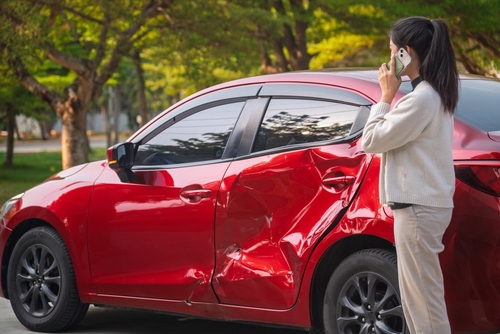
Your Legal Rights Regarding Uninsured Motorist Coverage with an Auto Accident Attorney in Indianapolis, IN
Indiana law requires insurance companies to offer both uninsured and underinsured motorist coverage to customers. While drivers can reject these coverages, the rejection must be documented in writing—not just verbally declined. This written rejection proves you were offered coverage and made an informed decision to decline it. Working with an Auto Accident Attorney in Indianapolis, IN can help you understand how these requirements protect your interests and what happens if your insurer failed to properly offer or document your coverage choices.
These legal requirements exist because accidents with uninsured drivers can cause financial devastation. Many drivers lack insurance or carry insufficient coverage, and most cannot pay personally for damages they cause. By requiring written rejections, Indiana law ensures drivers make conscious, documented decisions about their financial protection.
💡 Pro Tip: If you can’t locate your written rejection of uninsured motorist coverage, request a copy from your insurance company. They’re required to maintain these records, and reviewing them can help you make informed decisions about updating your coverage.
The Process of Accepting or Rejecting Uninsured Motorist Coverage
When you purchase auto insurance or change your policy, your insurer must present uninsured and underinsured motorist coverage options. The process includes:
- Initial offer: Your insurance agent must present uninsured motorist coverage as an available option, explaining it covers damages from drivers who lack insurance
- Coverage explanation: The insurer clarifies that coverage compensates for injury-related expenses when the at-fault driver lacks insurance or cannot be located
- Written documentation: If you reject coverage, you must sign a written rejection form
- Record retention: Your insurer maintains this written rejection in your policy records
- Future opportunities: You can add coverage at any time, even after previously rejecting it
💡 Pro Tip: When reviewing coverage options, ask your insurance agent to provide specific examples of how uninsured motorist coverage would protect you in different accident scenarios. Understanding real-world applications helps you make better-informed decisions.
Making Informed Decisions About Your Coverage with Help from an Auto Accident Attorney in Indianapolis, IN
Many Indiana drivers focus solely on immediate cost savings when declining uninsured motorist coverage. However, the small premium increase pales compared to potential financial burden from an accident with an uninsured driver. Uninsured motorist coverage includes property damage and bodily injury protection, similar to liability coverage. An Auto Accident Attorney in Indianapolis, IN from Poynter & Bucheri can help accident victims understand their coverage options and rights, especially when dealing with complex insurance claims.
The decision to reject this coverage should never be taken lightly. Indiana sees thousands of accidents yearly involving uninsured drivers, and without proper coverage, victims struggle to recover compensation for medical expenses, lost wages, and property damage. Report accidents to your insurance company immediately, but having coverage before an accident occurs is crucial. The attorneys at Poynter & Bucheri regularly see cases where victims who rejected coverage face significant financial hardship.
💡 Pro Tip: Calculate the annual cost of adding uninsured motorist coverage versus your potential out-of-pocket expenses from just one accident with an uninsured driver. This comparison often reveals that the coverage is a worthwhile investment in your financial security.
Understanding the Difference Between Uninsured and Underinsured Motorist Coverage
The distinction between uninsured and underinsured protection often causes confusion. Both protect you when another driver causes an accident, but apply in different circumstances. Uninsured motorist coverage covers damages from drivers who lack insurance, including hit-and-run accidents. Underinsured motorist coverage covers damages beyond the limits of the other driver’s policy. Understanding these differences helps you make better coverage decisions. Consulting with an Indianapolis auto accidents lawyer can clarify how these coverages work together.
When Underinsured Coverage Becomes Essential
Underinsured motorist coverage bridges the gap between your car accident losses and the at-fault driver’s liability limits. If you suffer $100,000 in damages but the at-fault driver only carries Indiana’s minimum bodily injury liability coverage of $25,000 per person, underinsured coverage helps cover the remaining $75,000. Indiana’s minimum liability requirements are $25,000 per person for bodily injury, $50,000 per accident for bodily injury, and $25,000 for property damage (25/50/25). This gap happens frequently as many drivers carry only minimum insurance. The financial protection becomes especially valuable with serious injuries requiring extensive medical treatment, rehabilitation, or resulting in permanent disability.
💡 Pro Tip: When selecting coverage limits for underinsured motorist protection, consider choosing limits that match or exceed your liability coverage to ensure consistent protection across all accident scenarios.
Common Misconceptions About Rejecting Uninsured Motorist Coverage in Indiana
Many Indiana drivers harbor misconceptions leading them to reject uninsured motorist coverage. One myth is that health insurance covers all medical expenses from auto accidents, eliminating the need for uninsured motorist coverage. However, health insurance often has deductibles, copays, and coverage limits that leave victims with substantial expenses. Additionally, health insurance won’t cover lost wages, pain and suffering, or other damages that uninsured motorist coverage addresses. An Indiana auto accidents attorney can explain how uninsured motorist coverage fills gaps other policies leave open.
The Hidden Costs of Going Without Coverage
Another misconception is that you can sue an uninsured driver personally to recover damages. While drivers can be found personally liable, most uninsured drivers lack financial resources to pay for damages. Pursuing personal lawsuits often results in uncollectible judgments, leaving you with attorney fees and no compensation. Having uninsured motorist coverage means your insurer handles the claim, providing a more straightforward path to compensation. This protection becomes especially valuable in hit-and-run accidents where the at-fault driver’s identity remains unknown.
💡 Pro Tip: Before rejecting uninsured motorist coverage, consider that even a minor accident can result in thousands of dollars in medical bills and vehicle repairs that you’ll have to pay out-of-pocket without this protection.
Frequently Asked Questions
Common Legal Concerns About Uninsured Motorist Coverage
Understanding common concerns helps you make informed decisions about your auto insurance protection.
💡 Pro Tip: Keep a copy of all insurance-related documents, including any rejection forms, in a safe place where you can easily access them if needed after an accident.
Next Steps After an Accident with an Uninsured Driver
Knowing what steps to take can significantly impact your ability to recover compensation.
💡 Pro Tip: Document everything at the accident scene, including photos, witness information, and police report numbers, as this evidence becomes crucial when filing uninsured motorist claims.
1. Can my insurance company force me to accept uninsured motorist coverage in Indiana?
No, insurance companies cannot force you to accept uninsured motorist coverage in Indiana. However, they must offer it, and if you decline, you must do so in writing.
2. What happens if I previously rejected coverage but now want to add it after learning about uninsured motorist coverage claims?
You can add uninsured motorist coverage at any time by contacting your insurance company. Previous rejection doesn’t prevent adding coverage later. New coverage applies to future accidents but won’t cover accidents before you added protection.
3. Does uninsured motorist coverage protect me if I’m hit by a driver who flees the scene?
Yes, uninsured motorist coverage typically includes protection for hit-and-run accidents where the at-fault driver cannot be located.
4. How long do I have to decide whether to file a claim with my Marion County auto accident attorney after an uninsured driver hits me?
Indiana’s statute of limitations for personal injury claims is generally two years from the accident date. However, your policy may have specific deadlines for notifying them about accidents and filing claims. Report accidents immediately to protect your rights.
5. Will using my uninsured motorist coverage raise my insurance rates?
Whether filing an uninsured motorist claim raises your rates depends on your state’s laws and your insurance company’s policies. While some states like California, Georgia, and Virginia have laws prohibiting rate increases for not-at-fault uninsured motorist claims, in most states insurers can increase rates after such claims. A nationwide study found that uninsured motorist claims lead to an average 9.32% rate increase. Insurance companies have different policies on this matter, so it is important to check with your specific insurer and understand your state’s laws.
Work with a Trusted Auto Accidents Lawyer
Dealing with insurance coverage decisions and claims after an accident requires understanding complex legal and insurance requirements. Whether evaluating coverage options or facing aftermath of an accident with an uninsured driver, knowledgeable legal guidance makes a significant difference. Auto accident attorneys understand Indiana insurance laws, interpret policy language, and advocate for your rights when insurers challenge claims. If you have questions about uninsured motorist coverage or need assistance after an accident, consulting with experienced legal counsel helps protect your interests and financial future.
Don’t leave your finances in the lurch after an encounter with an uninsured driver. Secure your peace of mind by evaluating your coverage choices with Poynter & Bucheri. Pick up the phone and call us at (317) 406-7443 or contact us today to ensure you’re well-protected.