

Fatal Motorcycle-SUV Crash on South Harding Street Shakes Indianapolis
Is Lane Splitting Legal in Indiana After the South Harding Street Fatal Crash?
Key Takeaways: A fatal motorcycle-SUV collision near South Harding Street has renewed attention on rider safety in Indianapolis and what families should do after a deadly crash. National data shows long-term safety gains, but motorcycle fatalities remain alarmingly high. In Indiana, fault, evidence preservation, and wrongful death rules shape what surviving families may pursue. Many also ask, is lane splitting legal in Indiana, and that issue can matter if insurers try to shift blame. This article explains the recent Indianapolis news, the broader safety context, and practical legal questions injured riders and families commonly face.
A deadly motorcycle accident in Indianapolis can turn a normal afternoon into a life-changing event for multiple families. On June 10, 2026, Indianapolis police responded just before 2:30 p.m. to a fatal crash at West Sumner Avenue and Harding Street on the city’s south side, where the collision involved a motorcycle and a Cadillac Escalade SUV. The incident raises immediate questions about liability, evidence, and what comes next in a crash investigation IMPD may continue for days or weeks.
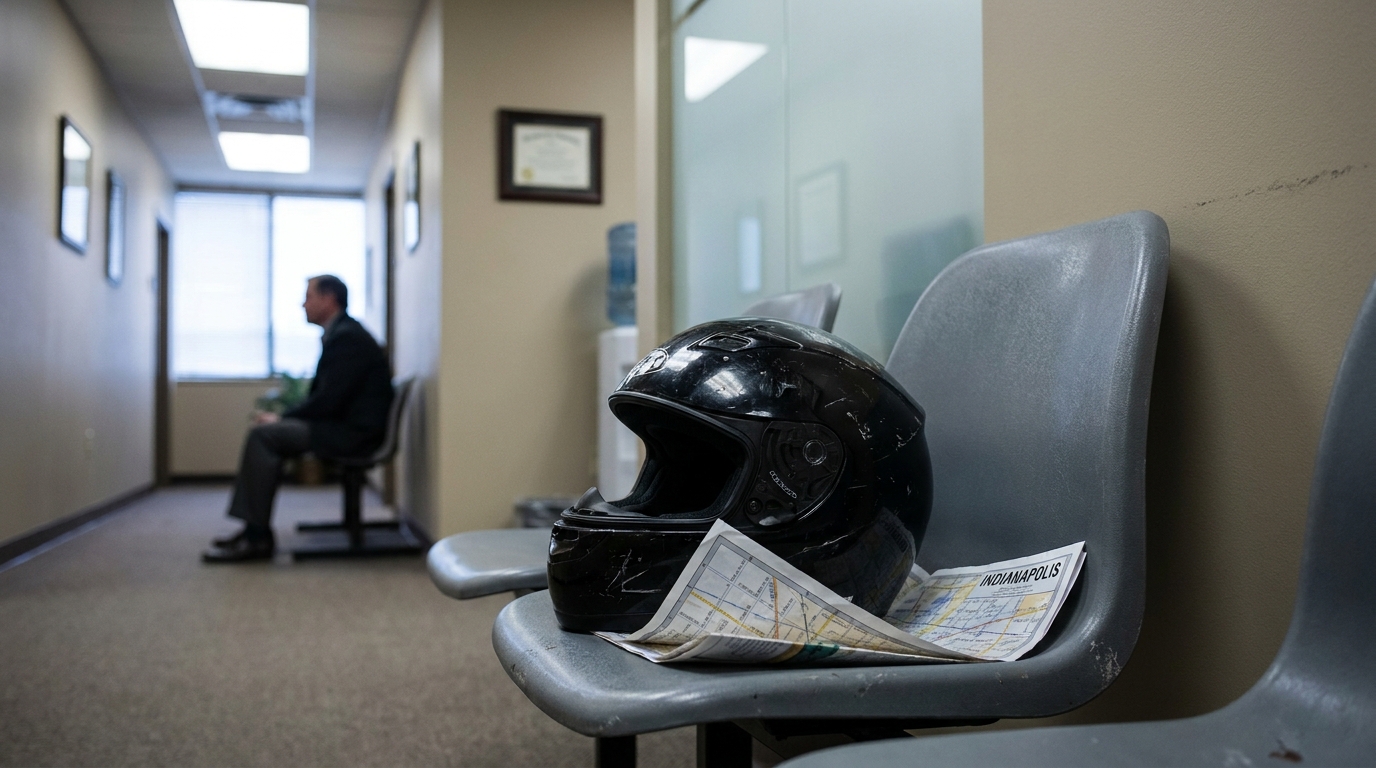
What Happened Near South Harding Street
The reported facts remain limited, but the crash itself is significant. Local coverage states that IMPD was called to the intersection and one person died after the motorcycle-SUV collision. Roads were closed, and police had not released additional details, which means fault findings may still depend on witness statements, scene evidence, vehicle damage, and available surveillance footage.
That uncertainty matters in any crash investigation. Early news reports often confirm only the basic event, not the legal cause. Later findings may differ from initial assumptions, especially where turning movements, speed, visibility, lane position, or right-of-way disputes become central to an Indianapolis motorcycle fatality review.
Why This Crash Matters Beyond One Intersection
This crash fits into a larger traffic safety problem that has not gone away. The National Safety Council reports that the current motor vehicle death rate is 1.30 deaths per 100 million miles driven, reflecting a 93% decline since 1923, but still leaving tens of thousands dying on U.S. roads annually. From 2019 to 2024, the mileage death rate increased by 8.3%.
Federal data tells a similar story. NHTSA estimated that 39,345 people died in U.S. traffic crashes in 2024, down about 4% from 40,901 in 2023, marking the first year since 2020 that fatalities fell below 40,000. Even so, total road fatalities remain significantly higher than a decade ago.
Motorcycle riders face especially severe risks. According to IIHS and NHTSA data, motorcyclists are far more vulnerable per mile traveled than passenger vehicle occupants, and motorcycle deaths accounted for 15% of all motor vehicle crash deaths in 2023. In that year, 6,335 motorcyclists died, the highest total ever recorded.
Is Lane Splitting Legal in Indiana and Why the Answer Can Matter
For many riders, the immediate question is simple: is lane splitting legal in Indiana? Indiana law gives a motorcycle the full use of a traffic lane and allows no more than two motorcycles to ride abreast in a single lane with both operators’ consent, so lane splitting between lines of traffic is generally treated as unlawful. Whether lane splitting played any role in a specific crash is always a fact question and should not be assumed merely because a collision involved a motorcycle.
The more important legal point is that fault in Indiana is rarely decided by one label alone. Even if someone raises whether lane splitting is legal, the real case analysis turns on roadway position, signaling, speed, lookout, turning movements, and whether another driver failed to yield. In many motorcycle accident in Indianapolis claims, comparative fault arguments may be raised broadly, so families should focus on preserving evidence rather than accepting an early blame narrative.
A Realistic Scenario for an Indianapolis Family
When a family gets the call no one expects
Imagine a rider heading through the south side of Indianapolis on a routine weekday trip. An SUV enters the intersection, a violent impact follows, and within hours the rider’s spouse is fielding calls from police, insurers, and relatives while trying to understand whether the crash was preventable. That is the kind of shock many families experience after an Indianapolis motorcycle fatality.
Small details can become critically important. A surviving family member may need to locate photographs, identify witnesses, preserve the motorcycle, request the official report, and document funeral expenses and lost financial support. In a wrongful death motorcycle Indiana case, those steps may affect both liability proof and the damages a family may pursue.
What Evidence Often Shapes a Motorcycle-SUV Case
Crash reports, scene evidence, and witness accounts
The strongest cases are often built early. Official reports, body camera records, 911 calls, vehicle module data, and intersection footage may help show whether the SUV turned left, crossed a path of travel, or failed to yield. Readers can use the Indiana crash reports portal to request available reporting documents.
Physical evidence can also tell a story that memory cannot. Skid marks, crush damage, helmet condition, debris fields, and final rest positions may support or undermine competing accounts. Because motorcycles are lighter and less visible than larger vehicles, disputes about perception and reaction time often arise quickly.
Medical proof and damages documentation
Damages evidence matters just as much as liability evidence. In injury cases, riders need thorough medical documentation to connect treatment, disability, and future care needs to the collision. In fatal cases, families may need records showing earnings history, household contributions, and other losses tied to the death.
Helmet use may become part of the factual discussion, but it does not answer the liability question by itself. Helmets are about 37% effective in preventing motorcycle deaths and about 67% effective in preventing brain injuries. That safety evidence is important, but the central issue usually remains whether another party’s negligence caused the crash.
Legal Context Indiana Families Should Understand
Wrongful death claims and civil procedure
Indiana families dealing with a fatal crash often need to separate grief from process. The controlling civil framework for wrongful death actions sits within Indiana Code Title 34, which governs civil law and procedure. The claim structure may depend on whether the decedent was an adult or child, who is authorized to bring the claim, and what categories of damages may be available.
Deadlines also matter. General limitation periods and any possible exceptions can be highly fact-dependent, and government-related claims can involve separate tort-claim notice requirements that may be much shorter than ordinary filing deadlines. Families should avoid assuming one civil timeline controls every case.
Comparative fault in motorcycle cases
Indiana follows a fault-based system, which means negligence allocation can directly affect recovery. In practice, insurers may argue that a rider was speeding, not visible, or maneuvering unsafely, even where a turning driver or crossing vehicle created the hazard. That is one reason the search phrase is lane splitting legal in Indiana can matter in public understanding, even when the actual dispute centers on right of way and driver attention.
Families should also know that a news report is not a final liability finding. Police investigations may continue after the first article appears, and civil attorneys may examine evidence that never appears in a media summary. A careful review is often necessary before anyone can responsibly assess whether a crash likely supports a wrongful death claim.
Practical Steps After a Fatal or Serious Motorcycle Crash
What families and injured riders can do early
The first days after a crash are often chaotic, but a few actions may help protect a future claim.
- Request the official crash report as soon as it becomes available.
- Preserve the motorcycle and helmet without repairs or disposal.
- Save photos, videos, and texts related to the crash and the rider’s condition.
- Identify witnesses quickly before memories fade.
- Track all expenses and losses including medical bills, funeral costs, and missed income.
- Be cautious with insurer statements until the facts are clearer.
These steps do not guarantee a result, but they can reduce avoidable problems later. Families who want broader background on fatal crash civil claims can review this discussion of wrongful death after motorcycle accidents. Riders seeking case-specific information about ongoing representation options may also review this motorcycle injury attorney Indianapolis resource.
How Does This Impact Me?
If my loved one died in a motorcycle crash, what does this mean for a possible case?
A fatal crash may support a civil claim if another party’s negligence contributed to the death. That can include failures to yield, unsafe turns, distracted driving, or other traffic violations, but the outcome depends on evidence, not headlines alone. The sooner key evidence is preserved, the easier it may be to evaluate the claim.
Does the question is lane splitting legal in Indiana affect every motorcycle case?
No, not every case turns on that issue. People often search is lane splitting legal in Indiana after a crash because they want a quick rule, but many claims are decided by intersection conduct, visibility, speed, and driver decision-making. Even where comparative fault is raised, it may be only one part of a larger analysis.
What should I do if the police investigation is still open?
Treat the investigation and the civil claim as related but separate matters. An open IMPD investigation may eventually produce useful findings, yet families often still need to gather their own records, preserve property, and monitor insurance communications. Waiting too long can create evidence problems, even if the official review is ongoing.
Does a wrongful death claim have the same deadline as every other claim?
Not necessarily. Indiana deadlines can vary by claim type, the status of the decedent, the proper plaintiff, and whether a government entity is involved, and separate notice requirements may apply before suit. Families should avoid relying on assumptions about timing.
What if the rider was not wearing a helmet?
That fact may affect damages arguments or injury severity analysis, but it does not automatically decide fault. Helmet research shows meaningful safety benefits, yet the legal question generally remains whether someone else caused or contributed to the crash. Courts and insurers usually look at the full factual record.
What Indianapolis Riders Should Take From This Moment
The South Harding Street fatal crash is both a local tragedy and a reminder of broader legal realities. Motorcycle riders remain disproportionately exposed on Indiana roads, and even with modest national improvement in 2024, deaths remain far too high. When a serious motorcycle accident in Indianapolis happens, the key issues are evidence, fault allocation, damages documentation, and fast action before critical information disappears.