
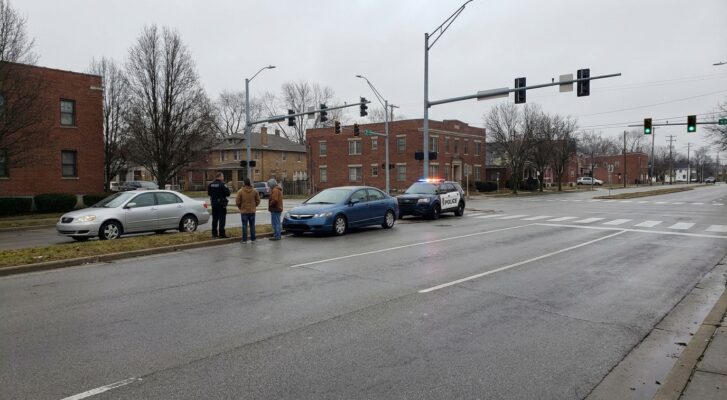
What Is Indiana’s Fault-Based System for Car Accident Claims?
Indiana operates under a fault-based system for car accident claims, meaning the driver responsible for causing a crash bears financial liability for resulting injuries and property damage. If you were hurt in a collision in Indianapolis or anywhere in Indiana, understanding how this system works is essential to protecting your right to compensation. Unlike no-fault states where your own insurance pays regardless of fault, Indiana requires you to prove the other party’s negligence before recovering damages. This distinction shapes every step of the claims process, from gathering evidence to negotiating with insurers or filing a lawsuit.
If you were recently injured in a car accident and need guidance navigating Indiana’s fault-based system, the team at Poynter & Bucheri is ready to help. Call (317) 406-7443 or reach out online to discuss your case today.
How Indiana’s Fault-Based Insurance System Works
In a fault-based system, the person who caused the accident is financially responsible for the other party’s losses. Indiana law places the burden on the injured claimant to demonstrate that the other driver acted negligently, whether through distracted driving, speeding, running a red light, or another breach of duty of care. Once fault is established, the at-fault driver’s liability insurance should cover the victim’s medical bills, lost wages, pain and suffering, and property damage.
Indiana requires all motorists to carry minimum liability insurance coverage. The state mandates a 25/50/25 policy:
| Coverage Type | Minimum Amount |
|---|---|
| Bodily injury per person | $25,000 |
| Bodily injury per accident (two or more people) | $50,000 |
| Property damage per accident | $25,000 |
These minimums often fall short of covering serious injuries. When the at-fault driver’s policy limits are insufficient, an experienced auto accident attorney in Indianapolis can help you explore additional recovery avenues such as underinsured motorist coverage.
💡 Pro Tip: Document everything from the moment an accident occurs. Photographs of the scene, witness contact information, and a copy of the police report all strengthen your ability to prove fault under Indiana’s system.

Understanding Comparative Fault Under Indiana Law
Indiana follows a modified comparative fault rule that directly affects how much compensation you can receive. Under IC 34-51-2-5, any contributory fault on your part reduces your compensatory damages proportionately. For example, if you are found 20% at fault, your total damages award is reduced by 20%.
The 51% Bar Rule
The critical threshold is Indiana’s 51% bar. Under IC 34-51-2-6, you are barred from recovery if your contributory fault is greater than the fault of all persons whose fault proximately contributed to your damages. In practical terms, if you are 51% or more at fault, you recover nothing. This makes proving fault a high-stakes endeavor where even small shifts in fault allocation can determine whether you receive compensation.
How the Jury Allocates Fault
When a car accident claim goes to trial, the jury determines the percentage of fault attributable to each party. Under IC 34-51-2-7 and IC 34-51-2-8, the jury assesses fault for the claimant, defendant(s), and any nonparty, then calculates the verdict amount based on the defendant’s fault percentage and total damages. IC 34-51-2-11 requires verdict forms that disclose each party’s fault percentage and the dollar amount awarded.
💡 Pro Tip: Insurance adjusters may try to shift blame onto you to reduce your payout. Be cautious about giving recorded statements without first speaking to an attorney who understands Indiana car accident fault rules.
Why Proving Fault Matters for Your Indianapolis Car Accident Claim
Because Indiana’s system ties your compensation directly to fault percentages, the strength of your evidence can make or break your case. You must show that the other driver owed you a duty of care, breached that duty, and that the breach caused your injuries and damages. Police reports, traffic camera footage, eyewitness testimony, and accident reconstruction analysis all play vital roles in building a persuasive case.
The NHTSA regularly publishes traffic safety statistics showing tens of thousands of fatalities on American roads annually, with many more suffering life-altering injuries. Knowing how to prove fault effectively is not just a legal exercise; it is a practical necessity for protecting your financial future after a serious crash.
💡 Pro Tip: Seek medical attention immediately after a crash, even if you feel fine. Delayed symptoms are common with soft-tissue injuries and concussions, and gaps in medical records can give insurers an opening to dispute your claim.
Key Provisions That Affect Your Car Accident Recovery
Several additional provisions under Indiana Code Title 34 shape how fault-based claims unfold in practice.
No Right of Contribution Among Tortfeasors
Under IC 34-51-2-12, there is no right of contribution among tortfeasors in Indiana’s comparative fault system. If multiple defendants share fault, one defendant generally cannot force another to pay a share of the judgment. However, the statute preserves any rights of indemnity in certain contractual or employer-related situations.
Subrogation Liens Are Reduced Proportionately
If a health insurer or other entity holds a subrogation lien against your settlement or verdict, IC 34-51-2-19 provides important protection. The lien must be diminished in the same proportion as your recovery is diminished, whether by comparative fault or uncollectibility from limited insurance. The lienholder must also bear a pro rata share of your attorney’s fees and litigation expenses.
Intentional Tort Exception
For cases involving intentional misconduct, IC 34-51-2-10 allows recovery of 100% of compensatory damages from a defendant who has been convicted based on the same evidence. This exception may apply in road rage incidents or situations involving deliberate harmful conduct.
Government Entity Claims
Indiana’s comparative fault chapter does not apply to tort claims against governmental entities or public employees under IC 34-13-3, as stated in IC 34-51-2-2. If your accident involved a government vehicle or hazard caused by a public agency, different procedural rules and shorter deadlines may apply.
💡 Pro Tip: If your accident involved a government vehicle or employee, you may face a significantly shorter notice period than the standard statute of limitations. Consult an attorney promptly to avoid missing critical deadlines.
The Statute of Limitations for Indianapolis Auto Accident Claims
Indiana imposes a two-year statute of limitations on most personal injury claims arising from car accidents. A statute of limitations sets the maximum time after an event within which legal proceedings may be initiated, as described by the Cornell Law Institute. Under IC 34-11-2-4, you must generally file your lawsuit within two years of the accident date.
Missing this deadline can permanently bar your claim, regardless of how strong your evidence may be. While courts generally interpret tolling provisions narrowly, recognized exceptions include minors or individuals with certain legal disabilities (IC 34-11-6-1), concealment of a cause of action by the defendant (IC 34-11-5-1), tolling for nonresident or absent defendants (IC 34-11-4), and, in some tort cases, a discovery rule. The safest approach is to begin the legal process early, preserving evidence and consulting with an attorney well before the deadline.
💡 Pro Tip: Even if you are still receiving medical treatment, do not wait until you feel fully recovered to explore your legal options. The two-year clock starts on the date of the accident, not when you finish treatment.
Steps to Protect Your Rights as an Auto Accident Attorney in Indianapolis, IN Can Explain
Taking the right steps early can significantly strengthen your fault-based car accident claim. Consider the following:
- Report the accident to law enforcement and obtain a copy of the official crash report.
- Seek prompt medical evaluation and follow through on all recommended treatment to establish a clear record linking your injuries to the crash.
- Preserve physical and digital evidence, including photos, dashcam footage, and communications with the other driver or their insurer.
- Avoid giving recorded statements to the at-fault driver’s insurance company before consulting with an attorney.
- Track all expenses and losses, including medical bills, pharmacy receipts, mileage for appointments, and documentation of missed work.
Understanding what evidence proves fault is critical to building your case. Learn more about the types of proof that matter by reading about evidence in Indianapolis auto accident cases.
Frequently Asked Questions
1. What does it mean that Indiana is a fault-based insurance state?
It means the driver who caused the accident is legally and financially responsible for the other party’s damages. You must prove the other driver’s negligence to recover compensation for your injuries and losses.
2. Can I still recover compensation if I was partially at fault for my car accident in Indianapolis?
Yes, in many cases. Under IC 34-51-2-5, your damages are reduced by your percentage of fault. However, under IC 34-51-2-6, you are completely barred from recovery if your fault is greater than the combined fault of all other persons who contributed to your damages, typically meaning you must be 50% or less at fault.
3. How long do I have to file a car accident lawsuit in Indiana?
Indiana generally imposes a two-year statute of limitations for personal injury claims under IC 34-11-2-4, beginning on the accident date. Courts generally interpret tolling provisions narrowly, but recognized exceptions exist, so act promptly.
4. What if the at-fault driver does not have enough insurance to cover my injuries?
Indiana’s minimum liability requirements of 25/50/25 may not suffice for serious injuries. If the at-fault driver’s coverage falls short, you may file a claim under your own underinsured motorist policy, depending on your coverage. An Indianapolis injury attorney can evaluate all potential recovery sources.
5. Does Indiana’s comparative fault system apply if a government vehicle caused my accident?
Not directly. Under IC 34-51-2-2, the comparative fault chapter does not apply to tort claims against governmental entities or public employees under IC 34-13-3. These claims follow separate rules with distinct notice requirements.
Protecting Your Future After an Indianapolis Car Accident
Indiana’s fault-based system places the burden on injured victims to prove the other driver’s negligence and navigate a complex legal framework including comparative fault reductions, strict filing deadlines, and insurance coverage limits. Understanding rules like the 51% bar, proportionate damage reduction, and the two-year statute of limitations helps you make informed decisions. Every case depends on its specific facts, and the stakes are too high to leave to chance.
If you or a loved one was injured in a car crash in Indianapolis, Poynter & Bucheri can help you understand your legal options and pursue the compensation you deserve. Call (317) 406-7443 or contact us today to schedule a consultation.