
Who Can Be Held Liable in an Indianapolis Commercial Truck Crash?
Untangling Responsibility After a Commercial Truck Wreck
Key Takeaways: Liability in an Indianapolis commercial truck crash can extend beyond the driver to include the trucking company, parts manufacturers, cargo loaders, maintenance providers, and government entities. Indiana’s comparative fault system, under Indiana Code Title 34, Article 51, Chapter 2, allocates responsibility among negligent parties and reduces or bars recovery based on your fault percentage, though government claims follow contributory negligence standards. Vehicle ownership rules and substantial commercial insurance, including federal minimums varying by cargo type, often provide multiple compensation sources. Government claims carry short notice deadlines under the Indiana Tort Claims Act, while defective-part claims fall under product liability time limits. Because evidence like logs and telematics disappears quickly, acting promptly to preserve records and identify every responsible party is essential. Strong medical and financial documentation protects your claim’s value.
When a loaded semi collides with a passenger vehicle on I-465 or a delivery van strikes a pedestrian downtown, determining who pays is rarely simple. Commercial truck crashes often involve several potentially responsible parties, layered insurance policies, and overlapping state and federal rules. Understanding who can be held accountable is the first step toward recovering medical bills, lost wages, and other losses.
If you were hurt in a commercial truck accident Indianapolis residents trust Poynter & Bucheri to evaluate liability and explain your options. Call our team at (317) 406-7443 or reach out through our secure contact page to discuss your claim.
Why Commercial Truck Accidents Often Involve More Than One At-Fault Party
Liability in a truck crash frequently extends beyond the person behind the wheel. Unlike a typical two-car collision, a commercial crash may implicate the driver, the motor carrier that employed them, a vehicle or parts manufacturer, a maintenance contractor, a cargo loader, or a government entity. Each carries separate duties under Indiana and federal law.
Identifying every liable party matters because it affects the insurance and assets available to compensate you. A driver’s personal policy may be modest, but a carrier’s commercial coverage or a manufacturer’s liability exposure can be substantial. Sorting through these relationships early helps preserve evidence and avoid missing a responsible defendant.
Common potentially responsible parties include:
- The truck driver, for negligent operation such as speeding, distraction, or fatigue
- The trucking company, for negligent hiring, training, supervision, or unsafe scheduling
- Parts or vehicle manufacturers, if a defective component contributed to the crash
- Cargo loaders or shippers, when improperly secured freight plays a role
- Maintenance providers, for failing to repair brakes, tires, or other systems
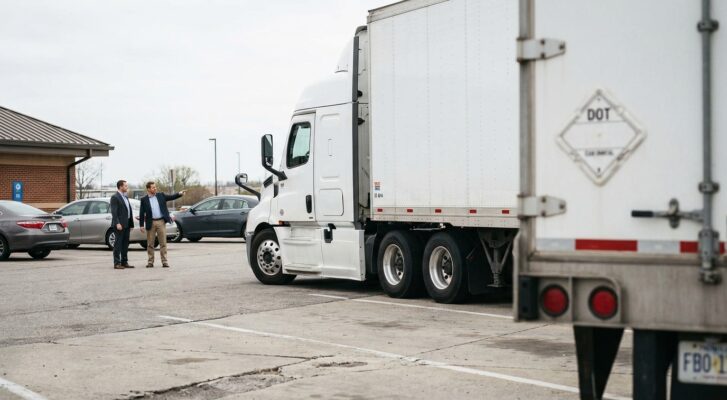
💡 Pro Tip: Photograph the cab door, trailer, and visible signage at the scene if safe. Company names, DOT numbers, and logos help identify the motor carrier and contractors.
How Indiana’s Comparative Fault System Divides Liability
Indiana apportions responsibility among defendants using a comparative fault framework. Under Indiana Code Title 34, Article 51, Chapter 2, fault is allocated among parties whose negligence contributed to the harm, determining how damages are shared among a driver, trucking company, manufacturer, or other defendants. A plaintiff more than 50 percent at fault is barred from recovering, and awards are reduced proportionally for any lesser fault percentage. This structure is central to truck crash liability Indiana courts apply in multi-party cases, though government claims follow a separate contributory negligence rule.
Vehicle ownership can also create liability. Indiana law requires motor vehicle liability policies to cover the owner against liability for negligence in operating the vehicle by any person using it with the owner’s express or implied permission, under IC § 27-1-13-7(b)(3). In commercial contexts, this can support holding fleet owners accountable when employees or authorized drivers cause crashes.
Determining fault percentages requires thorough investigation rather than guesswork. Courts consider police reports, electronic logging data, maintenance records, and accident reconstruction. For deeper insight into establishing responsibility, our discussion of determining fault after a crash explains the key evidence.
Insurance Coverage That May Pay for Your Injuries
Commercial carriers must carry significantly more insurance than ordinary drivers. Federal regulations require for-hire motor carriers of property to maintain minimum financial responsibility, and you can review the federal insurance filing requirements that set these baseline levels. These minimums ensure injured people have compensation sources after serious wrecks.
Required amounts depend on the cargo. General freight carriers face different minimums than carriers transporting dangerous cargo. The table below summarizes common federal minimums relevant to many semi truck crash Indiana claims.
| Type of Carrier or Cargo | Minimum Financial Responsibility |
|---|---|
| For-hire carrier of non-hazardous property | $750,000 |
| Certain hazardous materials | $1,000,000 |
| Explosives, poison gas, or radioactive materials | $5,000,000 |
| Property broker or freight forwarder | $75,000 surety bond or trust fund |
State coverage rules apply when commercial policies fall short. Indiana auto policies typically include Bodily Injury Liability, which pays up to policy limits for injuries you cause, and Property Damage Liability for others’ property damage. Indiana requires uninsured and underinsured motorist coverage with minimum bodily injury limits of $25,000 per person and $50,000 per accident, plus $25,000 property damage, unless rejected in writing. Learn more through the state’s overview of Indiana auto insurance coverage.
A carrier’s financial trouble does not automatically eliminate recovery. Indiana law requires liability policies to provide that the insured’s insolvency or bankruptcy does not release the insurer from paying damages for injuries sustained during the policy period, under IC § 27-1-13-7(b)(1)(A). This provision preserves compensation even when a defendant’s business is failing.
💡 Pro Tip: Don’t assume the at-fault driver’s personal auto policy is the only coverage. A trucking company’s commercial policy, a broker’s bond, and your underinsured motorist coverage may all apply.
When a Government Entity Shares Responsibility
Public entities can sometimes be liable, but the process differs from standard lawsuits. If a commercial truck crash in Indianapolis involves a government-owned vehicle or city contractor, the injured party may need to file a tort claim with the city rather than immediately filing a civil suit.
Indiana’s Tort Claims Act imposes strict deadlines, liability caps, and a different fault standard. Under IC 34-13-3, state claims generally require notice within 270 days, while political subdivision claims typically require notice within 180 days. Unlike private party claims, governmental entity claims remain subject to common law contributory negligence, meaning even small fault on your part can bar recovery. These notice rules are separate from the civil statute of limitations, and courts enforce them strictly, so missing government deadlines can bar otherwise valid claims.
💡 Pro Tip: If you suspect a city vehicle, contractor, or road condition contributed to your crash, treat the calendar as urgent. The administrative notice window is shorter than expected.
Proving Liability and Documenting Your Losses
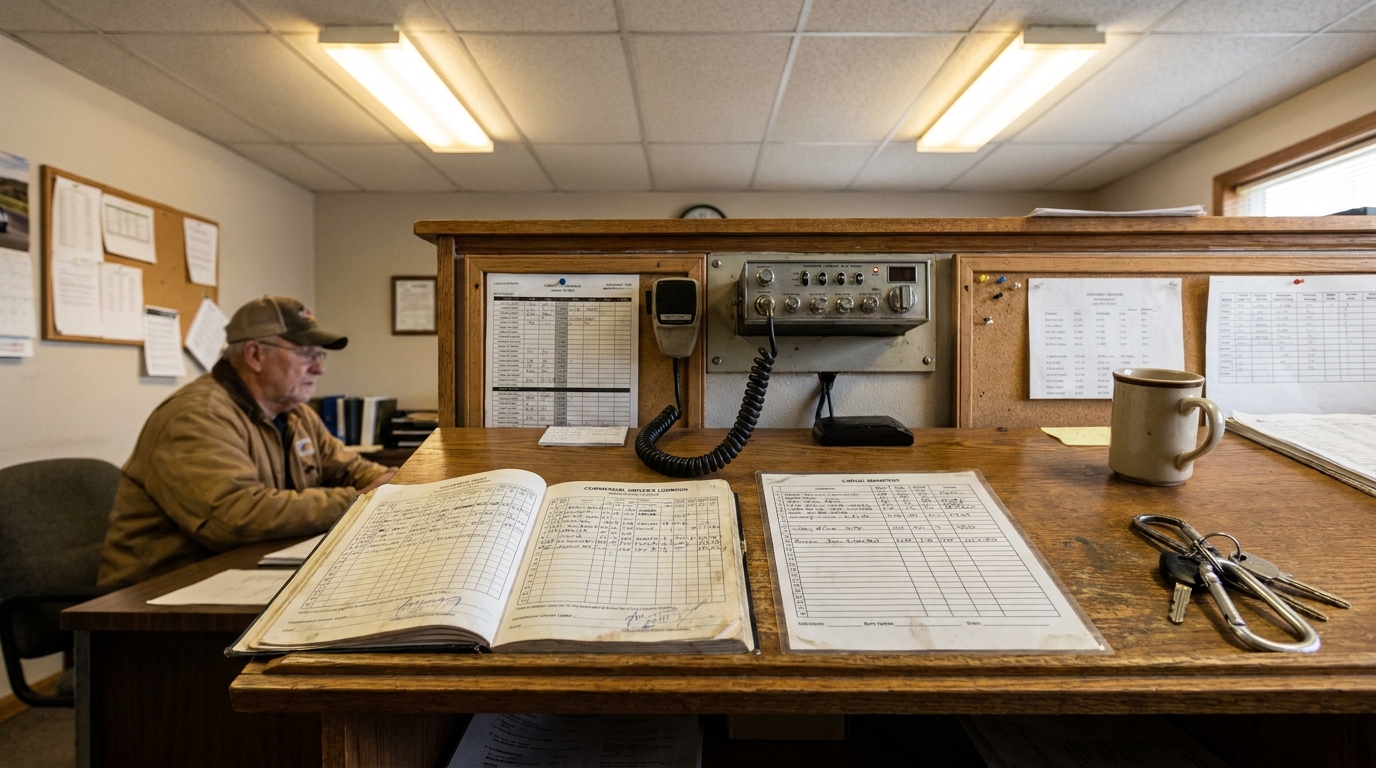
Building a strong commercial truck accidents claim depends on preserving evidence quickly. Trucking companies often dispatch investigators within hours, and electronic data can be overwritten if not preserved. Acting promptly protects logs, telematics, and other records before they disappear.
Defective truck components add another potential layer of responsibility. If a brake, tire, or steering part failed, product liability may apply. Indiana’s product liability statute of limitations under IC § 34-20-3-1 generally requires action within two years after the claim accrues, but within ten years after product delivery to the initial user, subject to limited exceptions courts interpret narrowly.
Strong documentation drives your damages value. Keep medical records, photographs, the crash report, witness contact information, and proof of lost income. If injured as a passenger, cyclist, or pedestrian, our overview of commercial auto accident Indianapolis representation describes how these cases are handled.
💡 Pro Tip: Follow through on every recommended medical appointment and keep a journal of pain, missed work, and daily limitations. Consistent records make it harder for insurers to dispute injury seriousness.
Frequently Asked Questions
1. Can both the driver and the trucking company be held liable?
Yes, both may share responsibility. A driver can be liable for negligent operation, while the carrier may be liable for negligent hiring, supervision, or scheduling, and as vehicle owner under IC § 27-1-13-7(b)(3). Allocation depends on specific facts.
2. How does comparative fault affect what I can recover?
Indiana allocates fault among parties whose negligence contributed to harm. Under Indiana Code Title 34, Article 51, Chapter 2, your recovery is reduced by your fault share and barred if your fault exceeds 50 percent. Thorough investigation establishes accurate percentages.
3. What if the at-fault carrier carries minimal insurance?
Several other coverage sources may apply. Federal minimums, the insolvency provision under IC § 27-1-13-7(b)(1)(A), and your uninsured or underinsured motorist coverage can all become relevant.
4. Is there a deadline to bring my claim?
Yes, and deadlines depend on who is responsible. Government claims carry short notice periods under IC 34-13-3, while product defect claims fall under IC § 34-20-3-1. Because timelines vary and exceptions are narrow, consult a lawyer promptly.
5. Who is liable if defective parts caused the crash?
A manufacturer or distributor may be liable under product liability theory. Establishing this requires proof that a defect contributed to the crash, within time limits set by IC § 34-20-3-1.
Putting the Pieces Together After a Truck Crash
Determining who is liable is rarely a single answer. Responsibility may rest with the driver, carrier, manufacturer, contractor, or government entity, and each path carries its own rules, deadlines, and insurance considerations. Because outcomes depend heavily on specific facts and evidence, early action to preserve records and identify every responsible party makes a meaningful difference in an Indiana truck crash claim.
If you need guidance from an Indianapolis truck accident lawyer, focused legal help can clarify your options. Reach out to Poynter & Bucheri to discuss your situation, call us at (317) 406-7443, or send your details through our online contact form so an Indianapolis Indiana injury attorney can review what happened and explain your next steps.